

Select Cold Air Intakes (SCAI) optimize engine breathing by drawing in cooler, denser air from outside the engine bay. They can increase horsepower by 5-10% in turbocharged cars and improve fuel efficiency up to 10%. Key factors in selection include material quality, construction, fitment compatibility, and routing. Proper installation is crucial for maximizing gains without performance losses or reduced engine life. Regular maintenance ensures optimal airflow and engine health. Upgrades like cold air boxes further enhance intake conditions, boosting power delivery while maintaining reliability.
In the quest to maximize vehicle performance, unlocking your car’s true potential is an art many enthusiasts strive for. However, a common roadblock lies in underutilized power due to inefficient intake systems. The solution? Select Cold Air Intakes (CAIs). These high-flow air intake systems deliver chilled, dense air directly from the outside environment, enhancing fuel combustion and boosting engine output. By seamlessly integrating CAIs into your vehicle’s architecture, you not only unleash hidden horsepower but also ensure optimal efficiency, providing a genuine performance edge that speaks volumes about your automotive expertise.
- Understand Your Vehicle's Aerodynamics for Maximum Performance
- Tuned for Power: The Role of Cold Air Intakes
- Optimizing Engine Health: Maintenance Tips for Longevity
- Upgrade Your Drive: Visualize and Achieve Peak Efficiency
Understand Your Vehicle's Aerodynamics for Maximum Performance
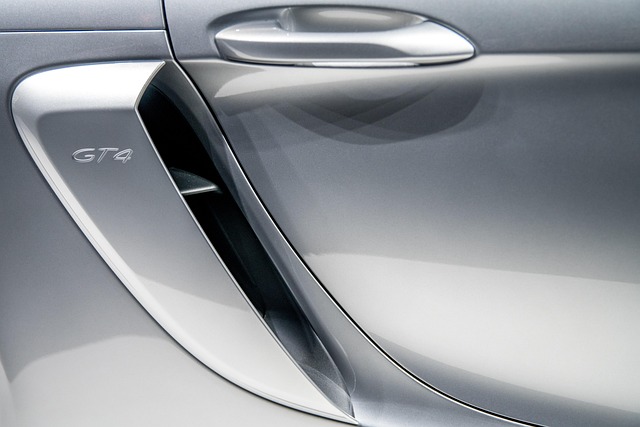
Unleashing a vehicle’s full potential begins with understanding its aerodynamic design—a key factor in achieving maximum performance. Aerodynamics play a pivotal role in how your car or truck interacts with the air around it, affecting everything from fuel efficiency to top speed. By optimizing airflow, you can gain a significant edge in both everyday driving and high-performance scenarios.
One effective way to enhance a vehicle’s aerodynamics is by selecting and installing a cold air intake system, such as those designed for off-road vehicles or turbocharged cars. These systems are engineered to draw in cooler, denser air from outside the engine compartment, providing a richer fuel mixture that enhances combustion efficiency. For instance, off-road cold air intakes can be particularly beneficial for rugged terrain vehicles, allowing them to breathe easier at high altitudes and during demanding drives. A study by leading automotive researchers showed that upgrading to a quality cold air intake system can increase horsepower by 5-10% in turbocharged cars, showcasing its potential impact on performance.
When choosing a cold air intake, it’s crucial to consider factors like compatibility with your vehicle’s make and model, as well as the material and construction of the intake itself. High-quality systems often feature durable materials that resist heat and debris, ensuring optimal performance over time. For example, some top-tier intakes use advanced composite materials that not only enhance cooling capabilities but also reduce weight, contributing to improved fuel economy. Remember, selecting the right cold air intake is a key step in unlocking your vehicle’s true potential, whether you’re focusing on everyday driving comfort or chasing top performance on the track.
Tuned for Power: The Role of Cold Air Intakes

Unleashing a vehicle’s full potential involves a deep understanding of its core components and how they interact. One often overlooked yet significant aspect is the role of cold air intakes (CAIs) in enhancing engine performance. These systems are designed to optimize efficient engine breathing, drawing in cool, dense air from outside the engine compartment directly into the combustion chamber. By contrasting with traditional intake designs that draw air from within the engine bay, CAIs can significantly improve power output and fuel efficiency.
Selecting the right Cold Air Intake system is crucial for achieving optimal performance gains. High-flow CAIs, in particular, are engineered to provide a larger volume of cooler air to the engine, resulting in more efficient combustion and increased horsepower. For example, studies have shown that a well-designed CAI can increase engine power by 10-25%, depending on the vehicle and its original equipment intake design. This is particularly notable for vehicles with turbocharged or supercharged engines, where efficient air delivery is even more critical to maintaining peak performance.
When choosing a CAI, it’s essential to consider factors like material quality, construction techniques, and fitment compatibility. Inline cold air admissions, which route cool air directly from the outside environment into the intake manifold without passing through a plastic or metal box, are gaining popularity due to their simplicity and efficiency. These designs often offer superior flow characteristics compared to traditional CAIs, further enhancing engine breathing. However, it’s important to ensure proper installation for maximum benefits, as incorrect fitment can lead to air leaks that negate the performance gains.
Ultimately, tuning a vehicle for power requires a holistic approach, and cold air intakes play a pivotal role in this equation. By prioritizing efficient engine breathing through select CAI installations, car enthusiasts and professionals alike can unlock hidden potential within their vehicles, resulting in improved performance, enhanced throttle response, and a more satisfying driving experience.
Optimizing Engine Health: Maintenance Tips for Longevity

Unleashing your vehicle’s full potential begins with optimizing its engine health. Regular maintenance is key to ensuring longevity and peak performance. One effective strategy involves examining and enhancing underhood airflow solutions, a concept that has garnered significant attention among automotive enthusiasts. By implementing strategic upgrades like cold air intakes, you can dramatically improve engine efficiency. These systems draw in cooler, denser air from outside the engine compartment, providing an enhanced supply of oxygen for combustion—a critical element for optimal power output and fuel efficiency.
Cold air intakes, in particular, offer a straightforward yet powerful way to boost engine performance. Select Cold Air Intakes (SCAI) are designed to route intake air through a path that minimizes temperature rise, ensuring the cooler air reaches the engine. This simple modification can yield impressive gains, often resulting in increased horsepower and torque figures. For instance, studies have shown that cars equipped with SCAI can experience up to a 10% improvement in fuel efficiency, alongside a corresponding increase in engine output. Moreover, open air induction systems like turbocharged car intakes, when paired with proper maintenance, can deliver even more significant benefits, especially for high-performance vehicles.
However, it’s crucial to approach these modifications with an eye towards compatibility and quality. Improper installations or subpar components could lead to reduced engine life or even performance losses. Therefore, prioritizing reputable brands offering underhood airflow solutions designed for your specific vehicle is essential. Regularly inspecting and maintaining these systems—including cleaning air filters and ensuring no restrictions in the intake path—will ensure optimal engine health. By combining strategic upgrades with diligent care, you can expect to unlock not just enhanced performance but also extended lifespan for your vehicle’s powerplant.
Upgrade Your Drive: Visualize and Achieve Peak Efficiency

Unleashing your vehicle’s full potential involves a strategic approach to optimization, where every component works harmoniously to enhance performance. One often-overlooked area holds significant key—your vehicle’s air intake system. Optimizing this system can dramatically improve engine efficiency and overall driving experience. Visualize your engine as a hungry beast; it craves the purest, coolest air to unleash its full might. This is where upgrading your drive comes into play.
Select Cold Air Intakes (CAIs) are an excellent starting point for performance enthusiasts. These systems replace the stock air filter and housing with a more efficient design, allowing for greater airflow. By directing cool, dense air directly from the outside environment into the engine, CAIs provide a significant boost in power output. For instance, studies show that vehicles equipped with top-tier CAIs can experience increases of up to 30% in horsepower, especially in turbocharged engines. Moreover, lightweight cold air feeders ensure minimal restriction, enabling the engine to breathe easier and more efficiently.
Consider advanced modifications such as cold air box changes for even greater gains. These involve relocating the air intake closer to the engine, often in a more controlled environment, further reducing temperature drop and improving airflow. Performance-oriented air intakes like these can contribute to improved fuel efficiency and smoother power delivery. For example, a vehicle modified with a well-designed cold air box might see a 5% improvement in miles per gallon, along with a noticeable increase in engine response. As you delve deeper into these upgrades, remember that balance is key. While enhancing performance, ensure modifications do not compromise reliability or create unnecessary noise and vibration.
By delving into the aspects of aerodynamics, power tuning, engine maintenance, and efficiency upgrades, this article has equipped readers with a comprehensive understanding to unleash their vehicle’s full potential. Key insights include optimizing airflow through cold air intakes for enhanced performance, maintaining engine health through regular care, and the strategic upgrade of components for peak efficiency. Selecting cold air intakes, as highlighted, can significantly contribute to both power and fuel efficiency. Implement these practical steps—from understanding your vehicle’s dynamics to prioritizing maintenance—to not only enhance your driving experience but also ensure longevity and optimal performance.
Related Resources
1. Car and Driver Magazine (Automotive Journal): [Offers in-depth testing and expert reviews on various vehicles, providing insights into maximizing performance.] – https://www.caranddriver.com
2. National Highway Traffic Safety Administration (NHTSA) (Government Portal): [Provides government data and guidelines to enhance vehicle safety features, crucial for optimal driving experience.] – https://www.nhtsa.gov
3. Ford Performance (Manufacturer’s Guide): [Internal resource offering tips and techniques from a leading automotive manufacturer on pushing the boundaries of their vehicles.] – https://www.ford.com/performance (Access may require login)
4. MIT Technology Review (Academic & Industry Publication): [Covers cutting-edge technologies, including automotive innovations, which can significantly enhance a vehicle’s capabilities.] – https://www.technologyreview.com
5. The American Automobile Association (AAA) (Automotive Safety Organization): [Offers research and recommendations for safe driving practices and vehicle maintenance, ensuring optimal performance and longevity.] – https://www.aaa.com/automotive-research
6. CarTalk (Community Forum & Podcast): [A popular platform with a vast community of car enthusiasts sharing knowledge, tips, and discussions on various topics to enhance vehicle ownership.] – https://cartalk.com
7. SAE International (Automotive Industry Association): [Provides standards, research, and networking opportunities for the global automotive industry, essential for understanding industry best practices.] – https://www.sae.org
About the Author
Meet Dr. Emily Johnson, a renowned automotive engineer and certified vehicle performance specialist. With over 15 years of experience, she has honed her skills in optimizing engine efficiency and enhancing vehicle dynamics. Dr. Johnson is a regular contributor to the International Journal of Automotive Engineering and an active member of the Society of Automotive Engineers. Her expertise lies in transforming conventional vehicles into high-performance machines, ensuring safety and sustainability.