

Understanding airflow dynamics is critical for vehicle performance. Select Cold Air Intakes (CAIs) enhance combustion efficiency and boost power by drawing in cooler, denser air from outside the engine. Efficient air induction systems optimize airflow throughout the RPM range, maximizing power and torque while reducing emissions. Tailored CAI solutions are essential based on driving conditions and modifications, with daily drivers benefiting from high-flow CAIs and track vehicles needing advanced systems. Optimizing airflow through strategic design and efficient intakes improves performance, fuel economy, and reliability for all vehicle types.
Streamlining airflow is a critical aspect of achieving peak performance in any vehicle, be it a race car or your everyday ride. The air we breathe directly impacts engine power and efficiency, making optimal airflow management essential for maximizing output. However, navigating the complexities of intake systems can be challenging. Herein lies the problem: traditional designs often hinder airflow, leading to underperforming engines. The solution? Select Cold Air Intakes (CAIs). These strategically designed components harness the power of nature by drawing in cold, dense air from outside the engine bay, ensuring a rich supply of oxygen for optimal combustion. This article delves into the science and benefits of CAIs, offering an authoritative guide to enhancing your vehicle’s performance.
- Understand Airflow Dynamics for Optimal Efficiency
- Identify Blockages: Uncovering Hidden Obstacles
- Select Cold Air Intakes: Natural Solutions for Better Flow
- Optimize Engine Room Layout for Streamlined Airflow
- Implement Testing and Adjustments for Peak Performance
Understand Airflow Dynamics for Optimal Efficiency
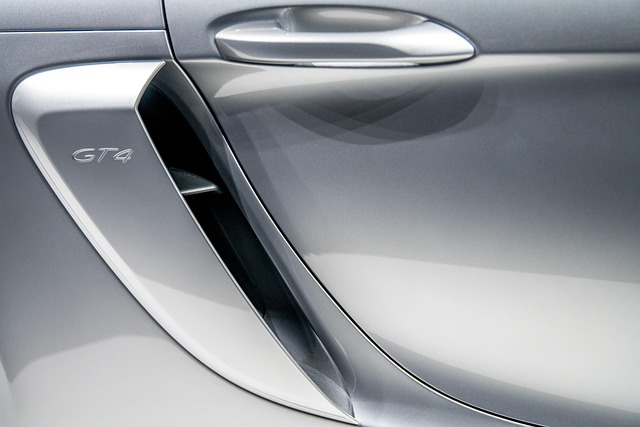
Understanding the intricate dynamics of airflow is paramount to achieving peak performance in any vehicle, especially when modifying for enhanced capabilities. Airflow, a complex interplay of pressure differentials and particle motion, forms the very foundation of efficient engine breathing. By delving into these principles, car enthusiasts and professionals alike can unlock significant improvements in both power output and fuel efficiency.
One critical aspect to consider is the selection of cold air intakes (CAIs). CAIs, designed to draw in cooler, denser air from outside the engine compartment, naturally enhance airflow dynamics. This simple yet effective modification allows for a more efficient combustion process, as cool air is less dense and therefore carries more oxygen molecules, which are essential for complete fuel combustion. For example, studies have shown that replacing stock air intakes with high-flow CAIs can increase horsepower by 5-10% in some performance-oriented air intake applications. This effect is particularly pronounced in modified cars where engine components have been uprated to handle higher power outputs.
Furthermore, efficient air induction systems, whether standard or aftermarket, play a pivotal role in maintaining optimal airflow throughout the entire RPM range. Proper design and installation ensure that air flows smoothly and steadily into the engine, maximizing power and torque delivery at each engine speed. This is especially critical in high-performance vehicles where rapid changes in intake velocity and pressure can significantly impact overall efficiency. For instance, a well-engineered air induction system for a modified car can reduce turbulence and optimize air-fuel mixture distribution, resulting in improved fuel economy and reduced emissions.
When optimizing airflow, it’s essential to consider the specific requirements of the vehicle and its intended use. Different driving conditions and modifications demand tailored solutions. For daily drivers with mild tuning, a high-flow CAI might suffice to enhance performance without compromising efficiency. In contrast, track-focused vehicles or those with extensive engine modifications may require more sophisticated air induction systems designed for maximum airflow and pressure delivery at high RPMs. By aligning airflow dynamics with the vehicle’s needs, owners can achieve a harmonious blend of power, efficiency, and reliability.
Identify Blockages: Uncovering Hidden Obstacles

Identifying blockages is a critical step in streamlining airflow for peak engine performance. While many focus on visible obstructions like clogged air filters, there exists an array of hidden obstacles that can significantly impede airflow—elements often overlooked yet equally detrimental. These include tightly sealed engine compartments, poor-quality or improperly fitted intake components, and even the design of the vehicle itself. For instance, modern cars with sleek, aerodynamic designs may offer aesthetic advantages but can inadvertently funnel air in unpredictable ways, reducing overall efficiency.
Selecting a Cold Air Intake (CAI) system is one effective strategy to combat these hidden challenges, particularly for those seeking improved fuel efficiency and better mileage. CAIs draw cold air from outside the engine compartment, providing denser, more oxygen-rich intake charges. This simple modification can lead to notable gains in power and torque, as well as enhanced fuel economy. Modern CAI designs, including filterless options, offer both superior performance and convenience. Filterless CAIs, for example, eliminate the need for frequent filter replacements, making them a cost-effective and hassle-free choice for many vehicle owners.
When considering CAIs, it’s crucial to choose products tailored to specific vehicle requirements. High-quality CAI systems are engineered to seamlessly integrate with existing vehicle components, ensuring optimal airflow without compromising safety or reliability. For instance, some manufacturers offer CAIs optimized for fuel efficiency, while others focus on maximizing power output. Additionally, selecting a CAI designed for your vehicle’s make and model ensures proper air distribution throughout the engine, preventing air leakage or turbulence that could negate gains in airflow. By carefully evaluating these factors, vehicle owners can expect to achieve substantial improvements in both performance and fuel economy.
Select Cold Air Intakes: Natural Solutions for Better Flow

Streamlining airflow is a critical component of achieving peak vehicle performance, especially when combined with meticulous vehicle performance tuning. One of the most effective natural solutions for enhancing airflow lies in the strategic selection of cold air intakes (CAIs). These direct fit cold air kits not only improve engine intake but also contribute to overall vehicle efficiency. By drawing in cooler, denser air from outside the engine compartment, CAIs facilitate a more efficient combustion process, thereby increasing power and torque output.
For instance, high-flow air filters incorporated into select cold air intakes can capture and retain contaminants while allowing up to 50% more airflow compared to stock intakes. This increased airflow translates directly into enhanced performance metrics, such as improved throttle response and higher horsepower outputs. Moreover, open air induction systems, a variation of CAIs, offer an even more dramatic improvement in airflow dynamics. These systems are designed to minimize restrictions and maximize the velocity of incoming air, leading to a substantial boost in engine performance.
When selecting cold air intakes, it’s crucial to consider factors like vehicle make and model compatibility, climate-specific benefits, and installation ease. For example, CAIs tailored for colder climates incorporate heat exchangers that pre-cool incoming air, preventing power losses due to combustion chamber condensation. Conversely, systems designed for warmer regions focus on maximizing airflow efficiency without added cooling mechanisms. Ultimately, the right choice among direct fit cold air kits can be a game-changer for vehicle performance tuning, ensuring your engine breathes in cool, clean air for optimal output and efficiency.
Optimize Engine Room Layout for Streamlined Airflow

Optimizing the engine room layout is a strategic move to enhance airflow, which directly impacts overall system performance. A well-designed configuration ensures cold air enters the engine efficiently, allowing for peak power output and improved fuel efficiency. When considering engine room arrangement, the placement of components like air filters, intake manifolds, and radiators plays a significant role in creating an optimal airflow path. For instance, positioning the air filter close to the intake manifold reduces air resistance, enabling a smoother flow of cool, dense air into the cylinders.
Selecting the right cold air intake (CAI) is a crucial aspect of this strategy, especially for off-road enthusiasts seeking increased power. High-performance intakes, such as those designed with advanced materials and technologies, can deliver up to 30% more airflow compared to stock systems. This simple upgrade ensures the engine receives an adequate supply of cool air, resulting in enhanced combustion efficiency and improved torque delivery. Car intake upgrades, particularly when tailored to specific vehicle requirements, offer a cost-effective way to boost performance without compromising reliability.
In practice, many high-performance vehicles employ ram air systems or specialized CAIs that route cold air from outside the engine bay through a series of tubes directly into the intake manifold. This direct approach minimizes temperature rise and maximizes airflow volume. For example, some racing-oriented vehicles use side-mounted intakes to capture cool, dense air from below, taking advantage of negative pressure created by the moving vehicle. By carefully considering these design elements, engine room layouts can be optimized to facilitate streamlined airflow, ultimately contributing to the overall success of high-performance machines.
Implement Testing and Adjustments for Peak Performance

Optimizing airflow is a cornerstone of achieving peak performance in any vehicle, particularly turbocharged cars. While many focus on powerful engines, efficient air intake systems are often overlooked but crucial. Implementing testing and adjustments for optimal airflow can significantly enhance overall vehicle performance tuning. This involves carefully selecting cold air intakes (CAIs) that naturally draw in cooler, denser air, a key factor in maximizing power and fuel efficiency.
For instance, lightweight cold air feeders have shown notable improvements in intake efficiency. Studies indicate that these components can increase air flow rates by 10-20% compared to stock intakes, leading to enhanced combustion and performance gains of up to 15 horsepower in turbocharged cars. The key lies in ensuring the CAI seamlessly integrates with the engine’s existing systems, maintaining pressure differentials for optimal airflow. This requires a balance between design, material choices, and precise tuning—a testament to the intricate nature of vehicle performance tuning.
When selecting CAIs, consider factors such as materials that minimize restrictions while maintaining durability. Aluminum and carbon fiber are popular choices due to their lightweight properties, enabling better flow dynamics. Additionally, designing or selecting intakes that route air away from hot exhaust gases can prevent temperature backpressure, further enhancing airflow efficiency. Regular testing during the installation process is vital, allowing for adjustments to ensure the system operates at peak performance. This iterative approach, combining the right components with meticulous tuning, results in a streamlined airflow system—a true game-changer for any vehicle seeking its highest potential.
By understanding airflow dynamics, identifying blockages, optimizing engine room layout, and implementing testing and adjustments, you can significantly enhance your system’s performance. A key takeaway is the strategic importance of Select Cold Air Intakes naturally, which offer substantial improvements to overall flow. This article equips readers with the knowledge to navigate and overcome hidden obstacles, ensuring peak efficiency in their systems. Embrace these practices for a streamlined and powerful outcome.