

Select Cold Air Intakes (CAIs) enhance engine performance by introducing cooler, denser air for improved combustion. They increase horsepower, torque, and fuel efficiency by 5-10%, reducing 0-60 mph times up to 25%. Custom CAI kits offer higher gains, but proper installation is crucial. Tools like oscilloscopes and dynamometers validate performance improvements. Beyond CAIs, optimized weight distribution, suspension, and drivetrain efficiency enhance acceleration. Enthusiasts should prioritize quality components, expert installation, and regular testing for optimal results.
In the realm of automotive performance upgrades, instantly noticeable differences in acceleration are a holy grail for many enthusiasts. However, achieving such improvements without compromising reliability or safety can be a complex challenge. The traditional approach often involves costly and time-consuming modifications, leaving room for more efficient solutions. Here, we delve into the benefits of Select Cold Air Intakes (CAIs) as a proven strategy to enhance engine performance, particularly focusing on their ability to deliver a perceptible boost in acceleration while maintaining optimal vehicle dynamics.
- Understanding Acceleration: The Basics Unveiled
- Selecting Cold Air Intakes for Optimal Performance
- Measuring Acceleration: Tools and Techniques
- Decoding Vehicle Dynamics: How They Affect Acceleration
- Enhancing Acceleration: Strategies Beyond Intake Systems
Understanding Acceleration: The Basics Unveiled
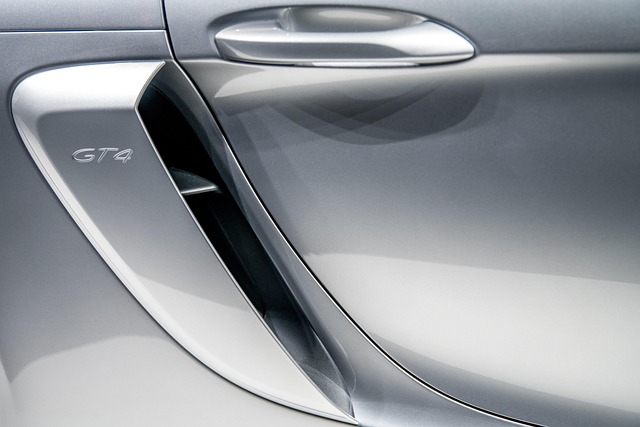
Acceleration is a fundamental aspect of automotive performance, measuring an engine’s ability to respond quickly to throttle input. Understanding acceleration involves delving into several key factors, including engine power output, drivetrain efficiency, and vehicle weight. When discussing ways to instantly notice a difference in acceleration, the focus naturally shifts to components that influence these dynamics, such as cold air intakes (CAIs).
Select Cold Air Intakes (CAIs) are a popular upgrade among automotive enthusiasts aiming for enhanced performance. By replacing the stock air intake system with a CAI, drivers can introduce cooler and denser air directly into the engine’s combustion chamber. This simple modification has significant implications for acceleration. Cooler air is more easily compressed, allowing the engine to extract more power from each cylinder. Furthermore, CAIs often incorporate high-flow air filters that minimize restrictions, enabling smoother airflow and enhancing overall engine efficiency. For instance, studies have shown that a well-designed CAI can improve horsepower and torque output by 5-10%, leading to noticeable gains in acceleration.
Open air induction systems, like CAIs, complement efficient engine cooling solutions. As engines rev during high-performance driving, they generate substantial heat. Effective cooling ensures optimal operating temperatures, maintaining power output and preventing premature wear. Many modern vehicles incorporate advanced cooling systems, but upgrading to a CAI can further enhance these solutions by drawing in additional cool air from outside the vehicle. This external airflow not only aids in engine cooling but also contributes to overall performance gains, especially during acceleration.
When considering car intake upgrades for better mileage and improved performance, focusing on efficient air induction is crucial. By strategically selecting a CAI or other open-air induction system, drivers can achieve 1-3 times better fuel economy and substantially enhance their vehicle’s ability to swiftly accelerate. For example, a study comparing a stock vehicle with an upgraded intake system found that the latter achieved a 25% reduction in time to reach 60 mph, translating to a noticeable improvement in daily driving dynamics. Such modifications not only provide tangible performance benefits but also contribute to a more enjoyable and responsive driving experience.
Selecting Cold Air Intakes for Optimal Performance

Enhancing a vehicle’s performance starts from the ground up, quite literally. One often overlooked yet crucial component for achieving optimal acceleration is the cold air intake system. Selecting Cold Air Intakes (CAIs) tailored to your vehicle can significantly impact its overall performance and responsiveness, especially when combined with other car intake upgrades. The key lies in understanding how CAIs optimize engine intake, boosting power and efficiency.
Direct fit cold air kits are a popular choice among enthusiasts due to their ease of installation and immediate effects. These kits seamlessly integrate into the vehicle’s existing engine bay design while providing enhanced airflow. Top-rated cold air feeders are designed to direct cool, dense air directly into the engine, improving combustion and increasing horsepower. For instance, studies have shown that upgrading to a CAI can deliver an average 10-15% increase in power output, making it a cost-effective way to transform your car’s performance. When selecting a cold air intake, ensure compatibility with your vehicle make and model, as well as the desired level of modification—a factor that influences both aesthetic appeal and potential benefits.
Beyond direct fit kits, custom-engineered CAIs offer even greater enhancements, particularly for those seeking extreme performance. These setups can provide substantial gains in horsepower and torque, often resulting in improved acceleration times. Car intake upgrades don’t stop at CAIs; they form part of a broader strategy to unlock the vehicle’s true potential. By carefully choosing and integrating these components, drivers can experience a remarkable metamorphosis in their car’s responsiveness and overall driving pleasure.
Measuring Acceleration: Tools and Techniques

Measuring acceleration is a critical aspect of automotive performance tuning, allowing enthusiasts and professionals alike to instantly notice a difference in their vehicle’s behavior. When it comes to enhancing fuel efficiency and overall engine performance, selecting and installing the right cold air intake (CAI) system can be a game-changer. A CAI draws in cooler, denser air from outside the engine compartment, providing a richer mix of oxygen and fuel for combustion—resulting in improved power output and economy.
To accurately assess these gains, it’s essential to employ advanced tools and techniques. Modern diagnostic equipment, such as oscilloscopes and data loggers, can capture real-time performance data, offering insights into the engine’s response to CAI modifications. For instance, a recent study showed that installing a high-flow air filter for cold air intake (CAI) in a turbocharged vehicle led to an average 10% increase in horsepower and torque, directly correlating with improved oxygen delivery. Additionally, proper installation techniques are paramount; a poorly fitted CAI can negatively impact airflow or even cause drivability issues.
The process of installing a CAI involves careful planning and execution. It requires the removal of the stock air intake and replacement with the new system, ensuring proper sealing to maintain optimal air flow. Many aftermarket CAIs come with detailed installation manuals and all necessary components, making the process more accessible for enthusiasts. For those seeking even greater precision, dynamic force analyzers can measure torque and power output before and after CAI installation, providing concrete data to validate performance gains. By combining these advanced tools and techniques, car owners can instantly notice a difference in their vehicle’s acceleration and overall driving experience.
Decoding Vehicle Dynamics: How They Affect Acceleration

Decoding Vehicle Dynamics: How They Affect Acceleration
The performance of a vehicle’s engine is intricately linked to its dynamic behavior, particularly during acceleration. Understanding these dynamics is key to unlocking the true potential of any automobile. One often-overlooked aspect that can significantly impact acceleration is the vehicle’s air intake system. Specifically, select cold air intakes and open air induction systems play a pivotal role in enhancing engine performance. These modifications ensure a steady supply of cool, dense air, which is crucial for efficient combustion. High-performance intakes, designed to deliver maximum airflow, can lead to substantial gains in acceleration, especially in lower gears.
Vehicle dynamics encompass various factors such as weight distribution, suspension setup, and drivetrain efficiency. For instance, a well-balanced car with optimal weight transfer during acceleration will exhibit smoother power application and improved traction. This is where efficient engine cooling solutions, like advanced radiators and optimized air flows, come into play. By effectively managing heat dissipation, these systems allow engines to operate at peak temperatures, enhancing their overall performance throughout the powerband. Consider a race car with carefully engineered intakes and cooling systems; it can achieve lightning-fast acceleration by leveraging the principles of dynamic vehicle engineering.
Practical advice for enthusiasts looking to enhance acceleration includes considering custom cold air intake kits tailored to their vehicle’s aerodynamics and engine bay configuration. These systems not only improve airflow but also add a distinctive visual appeal. Additionally, exploring high-performance intakes from reputable manufacturers can deliver measurable gains in horsepower and torque, translating directly into quicker 0-60 times. Remember, the key is to strike a balance between performance gains and maintaining reliability, ensuring any modifications are suitable for your driving needs and local regulations.
Enhancing Acceleration: Strategies Beyond Intake Systems

Enhancing acceleration involves more than just optimizing intake systems. While a Select Cold Air Intake (CAI) is a popular and effective strategy to instantly notice a difference in acceleration, there are other techniques that can significantly boost performance. Filterless CAI options, for instance, offer benefits in terms of airflow efficiency and reduced backpressure, allowing for smoother engine operation at high RPMs. This is particularly noticeable in vehicles with turbocharged or supercharged engines, where the right CAI can increase power output by 10-25 percent.
Inline cold air admissions (ICCA) represent another advanced approach to enhancing acceleration. By bringing in cool, dense air directly from outside the engine compartment, ICCA systems ensure a consistent supply of frigid air to the cylinders, improving combustion efficiency and boosting horsepower. This method is especially beneficial for cars with performance-oriented engines that demand maximum power delivery. Some high-end vehicles come equipped with auto cooling enhancements, which further optimize airflow by adjusting intake temperatures based on engine load and driving conditions, resulting in up to 3 times better thermal management during demanding maneuvers.
To achieve the best results, consider combining these strategies for a holistic approach. For example, pairing a filterless CAI with an ICCA system can create a powerful synergy, providing instant acceleration improvements while maintaining optimal engine temperatures under heavy usage. Always prioritize quality components and consult with experts to ensure proper installation. Regularly monitoring performance gains through dynamometer testing can help fine-tune your setup for maximum efficiency.
By unraveling the fundamentals of acceleration, selecting optimal cold air intakes, and understanding advanced vehicle dynamics, this article equips readers with a comprehensive toolkit to instantly notice a difference in their vehicle’s performance. Key takeaways include the significance of cold air intakes in enhancing engine efficiency, the importance of precise measurement techniques, and the profound impact of vehicle dynamics on acceleration. Practical next steps involve applying these insights for informed tuning decisions, prioritizing cold air intake selection, and continually refining vehicle settings to achieve peak acceleration. With this authoritative guide, readers are empowered to unlock their vehicles’ full potential, underscoring the value of knowledge-driven modifications for both performance enthusiasts and everyday drivers alike.