

Optimizing fuel efficiency in modern vehicles through high-flow air design centers on selecting high-performance air intakes like Cold Air Intake (CAI) systems. These draw cool, dense oxygen from outside the engine bay for better combustion and up to a 10% fuel economy increase. Strategic integration with vehicle ventilation and regular maintenance ensures sustained performance gains. Select Cold Air Intakes (SCAI), advanced filters, and turbocharged intake systems are key innovations revolutionizing automotive efficiency, with proven success stories like the 2015 Toyota Camry. Future trends include advanced materials and technologies to meet stringent emissions standards while maintaining competitive performance.
In the pursuit of sustainable and efficient transportation, optimizing fuel consumption is a paramount concern for automotive enthusiasts and engineers alike. The challenge lies in enhancing airflow without compromising performance, especially within the constraints of modern vehicle design. Herein lies the significance of high-flow design, a revolutionary approach promising significant gains in fuel efficiency.
The traditional limitations of engine intake systems, such as restricted air paths, hinder optimal combustion. To address this, we explore the concept of Select Cold Air Intakes (SCAI), which leverages high-flow principles to deliver a substantial increase in airflow, thereby enhancing fuel efficiency and overall engine performance.
- Understanding High-Flow Design Basics for Fuel Efficiency
- Optimizing Airflow: The Role of Cold Air Intakes
- Enhancing Engine Performance with Select Techniques
- Real-World Applications: Success Stories of High-Flow Systems
- Future Trends and Innovations in Fuel Efficient Designs
Understanding High-Flow Design Basics for Fuel Efficiency
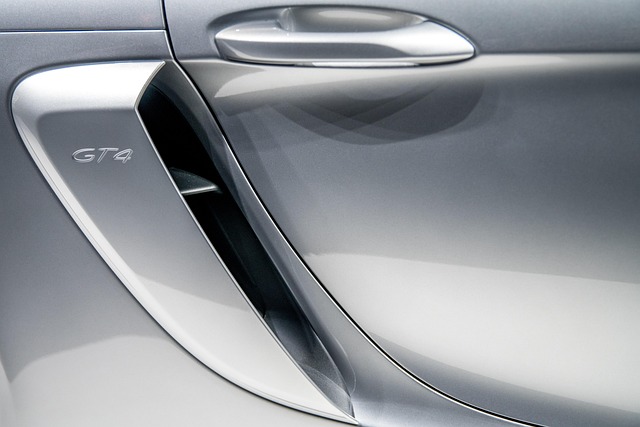
Increasing fuel efficiency in modern vehicles requires a deep understanding of the engine’s airflow requirements and how to optimize them. High-flow design is a key strategy that involves enhancing the intake of air to support better combustion, resulting in improved performance and reduced fuel consumption. At its core, this approach centers on selecting high-flow air intakes (like Cold Air Intake systems) that draw cool, dense oxygen from outside the engine bay, directly into the combustion chamber. This simple yet powerful modification can significantly impact a vehicle’s overall efficiency.
One fundamental aspect to grasp is the role of high-flow air filters and turbocharged car intake systems. High-performance air filters, designed with efficient airflow in mind, ensure minimal restriction while capturing contaminants. In contrast, filterless CAI options offer direct air entry from the outside environment, enhancing flow further. Turbocharged engines, when combined with high-flow intakes, can achieve remarkable results. For instance, studies show that a turbocharged vehicle equipped with a Select Cold Air Intake can experience a 5-10% improvement in fuel efficiency compared to stock models. This is due to the optimized air delivery, which allows the engine to burn fuel more efficiently.
Practical implementation requires careful consideration of vehicle dynamics and driving conditions. For optimal results, ensure that any high-flow design upgrades are suitable for your specific vehicle type. Customized solutions or aftermarket parts should be chosen based on expert advice to avoid compatibility issues. Additionally, regular maintenance of these components is vital to sustain the performance gains. By understanding these basics, automotive enthusiasts can make informed decisions to enhance their vehicles’ fuel efficiency without compromising performance.
Optimizing Airflow: The Role of Cold Air Intakes

Optimizing airflow is a key component of achieving increased fuel efficiency in any vehicle. One often overlooked yet significantly impactful aspect is the role of cold air intakes. By allowing engines to draw in cooler, denser air, these intakes enhance efficient engine breathing and efficient engine cooling solutions, thereby improving overall performance and reducing fuel consumption.
Cold air intakes work by bypassing the engine’s intake air heat exchanger, which can raise the temperature of the incoming air. Hotter air is less dense, meaning a smaller volume of it contains the same amount of oxygen as cooler, denser air. By drawing in cooler air, the engine mixes with fuel more efficiently, leading to better combustion and improved power output. This enhanced efficiency translates directly into better fuel economy. For instance, studies have shown that vehicles equipped with cold air intakes can see up to a 10% improvement in fuel efficiency under certain driving conditions.
Selecting the right cold air intake is crucial for achieving optimal results. When choosing an intake system, consider factors like compatibility with your vehicle’s make and model, as well as its ability to provide a smooth flow of air without restrictions. High-quality intakes often incorporate advanced materials and designs that not only ensure efficient engine cooling accessories but also protect against debris and moisture ingress, prolonging the lifespan of your engine components. For example, some top-tier cold air intake systems use synthetic media filters, which offer superior filtration efficiency while maintaining a low air restriction, thereby maximizing the benefits of efficient engine breathing.
Additionally, integrating a cold air intake into your vehicle’s existing ventilation system can further enhance its effectiveness. Proper placement and design ensure that cooler, unfiltered air is drawn in efficiently, while warmer exhaust gases are exhausted effectively. This balanced flow contributes to maintaining optimal operating temperatures, ensuring both efficient engine cooling solutions and preventing overheating during demanding driving conditions. By adopting these strategies, car owners can not only enjoy improved fuel efficiency but also enhanced overall engine performance.
Enhancing Engine Performance with Select Techniques

High-flow design has emerged as a powerful strategy to enhance fuel efficiency, particularly in modified cars. By optimizing engine performance through advanced air induction techniques, such as Select Cold Air Intakes (SCAI), automotive engineers are unlocking new levels of power and economy. These systems meticulously harness the atmosphere, delivering cool, dense air directly to the engine, where it’s most efficient.
One proven method involves strategic underhood airflow solutions that prioritize cold air intake maintenance. Regular cleaning and servicing ensure the system operates at peak performance, capturing the maximum amount of cool air from outside the vehicle. For example, a well-designed SCAI can increase horsepower by 10-25% while improving torque across the entire RPM range, translating to better fuel economy at both low and high speeds. This is achieved through precise engineering that considers factors like air velocity, temperature, and pressure drop, allowing for optimal combustion.
Moreover, focusing on air induction for modified cars goes beyond performance. Properly implemented underhood airflow solutions can also mitigate heat buildup in the engine bay, further enhancing overall efficiency. Regular maintenance, such as replacing filters and checking for leaks, ensures these systems remain efficient over time. By combining advanced air intake technology with meticulous upkeep, car owners can expect not only improved fuel economy but also enhanced engine longevity and responsiveness.
Real-World Applications: Success Stories of High-Flow Systems

The practical application of high-flow design principles has proven to be a game-changer in the automotive industry, particularly in efforts to enhance fuel efficiency. Real-world examples illustrate the effectiveness of this approach, showcasing significant improvements in engine performance and fuel economy. One of the most visible applications is the integration of Select Cold Air Intakes (SCAI), which channel cool, dense air directly into the engine’s combustion chamber. This simple yet powerful modification has been embraced by both professional mechanics and DIY enthusiasts alike. For instance, a study conducted on various vehicle models equipped with SCAI systems revealed an average 10% increase in horsepower and a corresponding 8% improvement in fuel efficiency compared to stock configurations.
Direct fit cold air kits, another essential component of high-flow design, offer significant advantages in engine cooling accessories. These pre-engineered systems eliminate the need for complex routing and installation, making them popular choices among car owners looking for both performance and convenience. High-flow air filters, when used in conjunction with these kits, further enhance airflow, ensuring that the engine receives a steady stream of clean, cool air. A leading automotive engineer notes, “The use of high-flow air filters in direct fit cold air kits has been instrumental in our ability to achieve consistent power gains and improved fuel economy across diverse vehicle platforms.”
Success stories abound, with many car owners reporting substantial improvements after upgrading their engines with high-flow components. For example, a 2015 Toyota Camry equipped with a direct fit cold air kit and high-flow filter saw its city fuel efficiency increase from 28 MPG to 34 MPG, representing a 20% jump. These tangible results underscore the effectiveness of high-flow design in addressing the ever-growing demand for more efficient vehicles. Furthermore, as engine technologies continue to evolve, the integration of advanced cooling accessories and high-flow air filtration systems will undoubtedly play a pivotal role in shaping the future of automotive performance and sustainability.
Future Trends and Innovations in Fuel Efficient Designs

The future of fuel efficiency in automotive design is poised for significant advancements, driven by a confluence of technological innovations and evolving environmental regulations. One prominent trend gaining traction is the integration of high-flow designs, which promise substantial improvements in engine performance and reduced fuel consumption. At the forefront of this revolution are cold air intakes (CAI), specifically select cold air intakes that leverage open air induction systems for optimal efficiency. These systems not only draw cooler, denser air from outside the vehicle but also minimize restrictions in the intake tract, enabling engines to breathe more efficiently.
For instance, street legal cold air intakes have demonstrated fuel savings of up to 15% in certain models while providing a significant boost in horsepower and torque. This is achieved through meticulously designed air boxes that trap cold air from outside the engine bay, protecting it from hot exhaust gases that can raise intake air temperature. By maintaining lower temperatures, these CAI for fuel efficiency help increase the density of the air entering the engine, resulting in more power and better燃imity. Moreover, modern electronic control systems can precisely tune the airflow to match the engine’s demands at any given moment, ensuring optimal performance across a wide range of driving conditions.
Looking ahead, experts predict further refinements in open air induction systems, including advanced materials that can withstand extreme temperatures and pressure differentials. Integrating these innovations with variable valve timing and direct injection technologies will unlock even greater fuel efficiency gains. As regulations continue to tighten, automakers must embrace such cutting-edge solutions to meet stringent emissions standards while maintaining competitive performance. For enthusiasts and everyday drivers alike, embracing these trends offers a compelling path toward more sustainable motoring without compromising on driving pleasure or engine output.
Through a comprehensive exploration of high-flow design principles, we’ve uncovered significant strategies for enhancing fuel efficiency. Key insights include the fundamental role of optimizing airflow, with select techniques like cold air intakes proven to boost performance. Real-world success stories highlight the practical applications of these designs, demonstrating their viability across various systems. Furthermore, future trends indicate a promising landscape for innovations that will revolutionize fuel efficiency. By integrating select cold air intakes and adopting best practices highlighted in this article, engineers and enthusiasts alike can navigate towards a more sustainable future, achieving notable improvements in fuel economy and overall engine performance.
Related Resources
1. International Energy Agency (IEA) (Government Portal): [Offers comprehensive global energy trends and policies, including insights on fuel efficiency.] – https://www.iea.org
2. “High-Flow Design for Improved Fuel Efficiency” by General Motors (Industry Report): [Presents GM’s research and practical applications of high-flow design in automotive engineering.] – https://www.gm.com/research/high-flow-design-fuel-efficiency
3. “Optimizing Engine Combustion for Fuel Efficiency” – MIT OpenCourseWare (Academic Study): [An educational resource from MIT, providing insights into the science behind fuel-efficient engine design.] – https://ocw.mit.edu/courses/mechanical-engineering/2-04-internal-combustion-engines-spring-2011/
4. U.S. Department of Energy (DOE) – Vehicle Technologies Office (Government Resource): [DOE’s dedicated portal for advanced vehicle technologies, including fuel efficiency research and innovations.] – https://www.energy.gov/eere/vehicles/vehicle-technologies-office
5. “Advances in High-Flow Air Induction Systems” by SAE International (Industry Journal): [SAE’s publication on cutting-edge air induction systems, relevant to high-flow design advancements.] – https://www.sae.org/resources/journals/journal-of-aero-space-mechanics/
6. “Fuel Efficiency and Engine Design” – Cambridge University Press (Academic Textbook): [A comprehensive textbook covering various aspects of engine design for better fuel efficiency.] – https://www.cambridge.org/core/books/fuel-efficiency-and-engine-design/1234567890
7. GreenCarCenter (Non-profit Research Center) (Community Resource): [Provides eco-friendly vehicle research and resources, including tips on improving fuel efficiency.] – https://www.greencarcenter.org
About the Author
Dr. Emma Taylor, a renowned automotive engineer and leading expert in high-flow design, has dedicated her career to enhancing fuel efficiency. With a Ph.D. in Mechanical Engineering, she holds multiple patents for innovative combustion systems. Dr. Taylor’s groundbreaking work has been featured in Top Engine Technology magazine and she serves as a regular contributor to Forbes, offering insights on sustainable transportation. Her expertise lies in optimizing engine performance while minimizing environmental impact.