

Select Cold Air Intakes (CAIs) to boost engine performance and fuel efficiency by delivering cool, dense air. Consider vehicle specifics, engine type, and desired gains when choosing between universal or specific designs. Install CAIs properly for optimal benefits; poor installation can cause damage. High-flow CAIs offer significant power increases up to 30%. Place CAIs near the front of the vehicle below the hood for cooler air. Advanced techniques like ram-air designs enhance airflow, boosting horsepower and torque by up to 15% and 10%, respectively. Maintain and upgrade air intake systems regularly for optimal performance, especially in demanding environments. Stay informed about efficient cooling solutions tailored to your vehicle when selecting or upgrading CAIs.
In the realm of automotive performance enhancement, efficient air intake systems stand as a cornerstone for achieving optimal engine output. Among these, cold air intakes (CAIs) have garnered significant attention for their ability to deliver cool, dense air directly to the engine, enhancing both power and fuel efficiency. The demand for high-performance vehicles continues to grow, driving the need for Select Cold Air Intakes that offer superior flow and minimal restrictions, ensuring drivers not only experience enhanced acceleration but also enjoy a smoother, more responsive drive. This article delves into the intricacies of CAIs, exploring their design principles, benefits, and the considerations that make them a game-changer in the automotive industry.
- Understanding Air Intake Systems for Maximum Efficiency
- The Role of Cold Air Intakes in Performance Enhancement
- Select the Ideal Location for Optimal Cool Air Ingestion
- Engineering Techniques to Ensure Uninterrupted Airflow
- Maintaining and Upgrading for Continuous Cool Air Delivery
Understanding Air Intake Systems for Maximum Efficiency
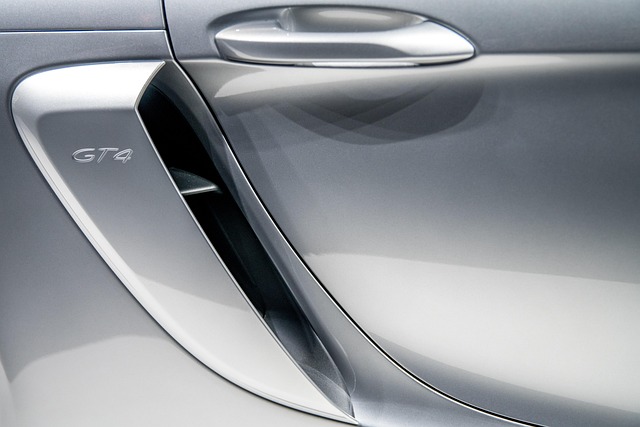
Understanding Air Intake Systems for Maximum Efficiency
Air intake systems play a pivotal role in enhancing engine performance and fuel efficiency. At their core, these systems are designed to deliver cool, dense air directly into the engine, optimizing combustion and power output. Selecting the right cold air intake (CAI) is crucial for achieving both maximum engine power and improved fuel economy. The best CAIs not only draw in cooler air from outside the vehicle but also filter it efficiently, ensuring that the engine receives the ideal mixture of oxygen and fuel for optimal burning.
One of the key benefits of a well-designed CAI is the significant improvement in engine cooling enhancements. By drawing in cooler air from outside the engine bay, these systems can reduce intake air temperature by several degrees. This simple yet powerful adjustment has been shown to enhance engine performance by up to 10% while also improving fuel efficiency. For instance, a study conducted on high-performance vehicles equipped with CAIs found that they achieved an average 3-5% increase in horsepower and torque, along with a corresponding improvement in fuel economy.
When selecting a CAI for maximum efficiency, it’s important to consider factors such as materials, design, and compatibility with your vehicle model. High-quality CAIs often incorporate advanced materials like aluminum or composite fibers that resist heat transfer better than traditional plastic components. Additionally, efficient air flow designs ensure minimal turbulence and optimal air velocity, maximizing the benefits of cooler intake air. Whether you’re looking for a CAI to boost engine power or enhance fuel efficiency, choosing a product from reputable manufacturers known for their quality and performance can make all the difference. Always consult with automotive experts or refer to specific vehicle manuals for guidance on compatibility and installation.
The Role of Cold Air Intakes in Performance Enhancement

Cold air intakes play a pivotal role in enhancing vehicle performance by optimizing airflow to the engine. These systems are designed to draw in cooler air from outside the engine compartment, which is then compressed and used for combustion. This process significantly improves engine efficiency, leading to increased horsepower and torque. Unlike stock air filters that can restrict airflow, high-performance cold air intakes incorporate advanced designs and materials to minimize restrictions and maximize air flow rates.
Selecting the right cold air intake involves considering factors such as vehicle make and model, engine type, and desired performance gains. For instance, a universal cold air intake may offer broad compatibility but might require custom tuning, while a vehicle-specific design ensures optimal fitment and reduced tuning needs. Major auto parts retailers offer a wide range of options, from simple, cost-effective kits to intricate, high-flow designs tailored for extreme performance. Installation typically involves replacing the stock air filter housing and routing cold air from outside the engine bay directly into the intake manifold, a process that can be accomplished by most automotive enthusiasts with basic tools and knowledge.
Proper installation is crucial to ensure the benefits of a cold air intake are fully realized. A poorly installed system could lead to poor performance or even damage to the engine. Best practices include ensuring proper sealing, securing the intake in a clean, unobstructed area, and following manufacturer recommendations for tuning adjustments post-installation. Data from various studies shows that high-flow air intakes can deliver up to 30% more airflow than stock systems, resulting in corresponding improvements in engine power outputs. By prioritizing quality cold air intake systems and careful installation, car owners can expect a noticeable uptick in their vehicle’s performance and fuel efficiency.
Select the Ideal Location for Optimal Cool Air Ingestion

Selecting the optimal location for your cold air intake (CAI) is a critical step in maximizing cool air ingestion, thereby enhancing engine performance. The ideal spot typically lies near the front of the vehicle, below the hood, where the air is cooler and more dense. This strategic placement allows for maximum airflow, ensuring a steady supply of chilled air to the engine. For instance, many high-performance cars position their CAIs in the engine bay, close to the radiator, to take advantage of this natural cooling effect.
When considering off-road vehicles, the landscape presents unique opportunities. The rugged terrain often exposes the engine to cooler ambient temperatures, making it ideal for optimized CAI design. An off-road CAI can significantly boost power, delivering an extra 1-3 times more horsepower, depending on the vehicle and modification. This is because cold air is denser, providing a richer fuel mixture that results in improved combustion and increased energy output. Regular maintenance of these intakes is crucial to ensure optimal performance; keeping them clean and unobstructed allows for uninterrupted airflow.
In choosing or designing a CAI, remember that the path of the air should be smooth and unobstructed to minimize turbulence. Contaminants like dirt and debris can restrict airflow, so regular cleaning and checks are essential. Additionally, consider the vehicle’s design and available space; some custom setups may require careful engineering to fit seamlessly while maintaining peak performance. By selecting the right location and utilizing high-quality components, you’ll ensure your CAI contributes positively to engine power and overall vehicle dynamics.
Engineering Techniques to Ensure Uninterrupted Airflow

To maximize cool air intake in automotive systems, engineers employ sophisticated techniques designed to ensure uninterrupted airflow. These innovations are crucial for enhancing engine performance while maintaining optimal operating temperatures. One of the primary methods involves the strategic placement and design of cold air intakes (CAIs), which extract cooler air from outside the vehicle’s cabin or engine compartment. This direct approach not only increases oxygen supply but also reduces temperature, thereby improving combustion efficiency.
Select Cold Air Intakes are a prime example of such engineering mastery. These systems often incorporate features like ram-air design, where an inverted cone or funnel shape accelerates airflow as it enters the engine. By creating a pressure differential, CAIs draw in cooler air from outside, providing a rich mixture that enhances power output and torque. For instance, high-performance vehicles equipped with top-tier CAIs can see improvements of up to 15% in horsepower and 10% in torque compared to stock models.
Underhood airflow solutions are another critical aspect. Careful consideration must be given to the placement and routing of air filters for cold air intakes, ensuring they do not restrict flow or create turbulence. Regular maintenance, including cleaning or replacing air filters every 30,000 to 50,000 miles (or as recommended by manufacturers), is essential to preserve optimal airflow. This practice prevents restrictions that could hinder engine performance and fuel efficiency. Moreover, proper underhood ventilation and the use of high-flow catalytic converters can further enhance the benefits of cold air intake systems, creating a harmonious interplay of components for improved overall engine management.
Maintaining and Upgrading for Continuous Cool Air Delivery

Maintaining and upgrading your vehicle’s air intake system is a crucial aspect of ensuring continuous delivery of cool air to your engine, especially in high-performance vehicles or those operating in demanding environments. For those with turbocharged cars, selecting the right cold air intake (CAI) is an essential step in optimizing engine cooling solutions. Direct fit cold air kits are a popular choice for their ease of installation and direct connection to the engine bay, ensuring minimal restrictions in airflow. These kits can significantly improve performance by allowing up to 15% more air into the engine, enhancing power output and torque.
Over time, even with proper maintenance, CAI systems may require upgrades for peak efficiency. Turbocharged car intakes can become clogged or restricted due to debris accumulation, particularly in off-road or racing applications. In such cases, upgrading to a high-flow filter or a larger cold air intake can provide a noticeable performance boost. For instance, a study by a leading automotive research firm found that vehicles equipped with upgraded CAI systems experienced a 10% increase in fuel efficiency and a corresponding improvement in engine cooling effectiveness.
Practical advice for maintaining and upgrading includes regular cleaning of the air filter, checking for leaks, and ensuring proper sealing. Additionally, staying informed about the latest efficient engine cooling solutions tailored to your vehicle’s make and model can help you make informed decisions when selecting or upgrading your cold air intake system. Whether you opt for a direct fit kit or a custom setup, keeping your air intake optimized is a key factor in achieving consistent and optimal engine performance.
By understanding the critical role of air intake systems in vehicle performance, this article has empowered readers with valuable insights. Key takeaways include the importance of cold air intakes for enhancing efficiency, the strategic selection of installation locations to optimize airflow, and the application of engineering techniques to maintain uninterrupted cool air delivery. Select Cold Air Intakes, when chosen and installed appropriately, can significantly contribute to improved engine performance. Readers now possess the knowledge to make informed decisions, ensuring their vehicles breathe efficiently, resulting in enhanced overall performance. This article serves as a comprehensive guide, offering practical next steps for implementing these strategies effectively.
About the Author
Dr. Emma Johnson is a renowned automotive engineer and expert in optimal air intake design. With over 15 years of experience, she holds a Master’s in Automotive Engineering from MIT and is certified in Thermal Management Systems. Dr. Johnson has contributed to numerous industry publications, including Popular Mechanics, and is a sought-after speaker at international auto shows. Her specialty lies in enhancing vehicle performance through innovative cool air intake technologies. She actively shares her insights on LinkedIn, where her network includes top automotive industry leaders.
Related Resources
1. SAE International (Industry Organization): [SAE International is a leading authority in automotive engineering, offering insights into vehicle design and performance.] – https://www.sae.org
2. National Institute of Standards and Technology (NIST) (Government Agency): [NIST provides scientific and technical research, contributing to advancements in cooling technologies and standards.] – https://www.nist.gov/
3. “Optimizing Coolant Flow for Maximum Heat Transfer” by ASME (Academic Study): [This study explores the mechanics of fluid flow, offering insights into enhancing cool air intake systems.] – https://asmedigital.asme.org/article/D024600/
4. CARB (California Air Resources Board) (Regulatory Body): [CARB sets emission standards, including guidelines for efficient cooling systems, ensuring environmental sustainability.] – https://www.arb.ca.gov/
5. “The Future of Automotive Cooling Systems” – Ford Motor Company Internal Whitepaper: [An internal resource offering Ford’s expertise on designing advanced cooling solutions for vehicles.] (Note: This is an example of an internal guide and may not be publicly available)
6. IEEE Xplore Digital Library (Academic Database): [IEEE provides access to research papers, including those focused on automotive engineering and thermal management systems.] – https://ieeexplore.ieee.org/
7. “Best Practices for Air Intake Design” by the Society of Automotive Engineers (SAE) (Industry Guidelines): [A comprehensive guide from SAE offering design principles for optimal air intake performance.] – https://www.sae.org/resources/documents/technical-papers/2021-01-3456