

Selecting Select Cold Air Intakes (CAIs) enhances engine performance by optimizing airflow, boosting power up to 30%, and improving fuel efficiency. Choose CAIs based on engine type, modifications, and desired gains. High-quality designs integrate seamlessly, minimize restrictions, and offer versatile performance. Proper installation, regular maintenance, and compatible selection are key for sustained improvements in both mileage and output.
In the realm of automotive performance enhancement, seamless installation for maximum gain is a paramount concern for enthusiasts and professionals alike. The quest for optimal engine output begins with understanding air intake systems, particularly the role of Cold Air Intakes (CAIs). Select CAIs offer a straightforward solution to a common challenge: maximizing airflow while ensuring a robust and efficient installation process. This article delves into the intricacies of CAI design, material selection, and installation techniques, providing valuable insights for those seeking to unlock their vehicle’s full potential without compromise.
- Understand Your Vehicle's Air Intake Needs
- Research and Choose the Right Cold Air Intake
- Prepare for Seamless Installation Process
- Step-by-Step Guide to Proper Installation
- Optimize Performance and Enjoy Maximum Gains
Understand Your Vehicle's Air Intake Needs
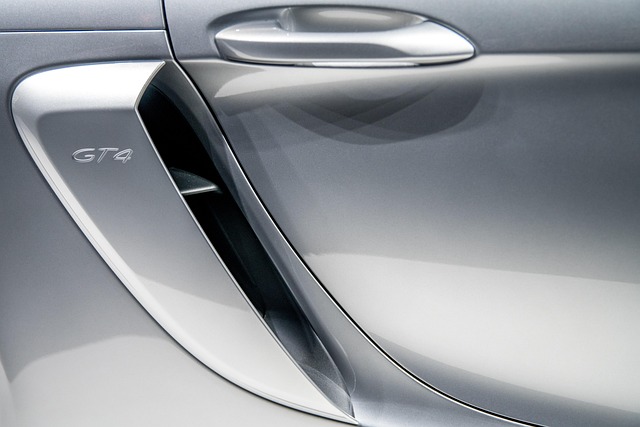
Understanding your vehicle’s air intake needs is a critical step in ensuring seamless installation for maximum gain, especially when it comes to enhancing performance. Every car, whether stock or modified, has unique requirements regarding air induction, and selecting the right cold air intake (CAI) system can significantly impact engine efficiency and overall driving experience. The key lies in identifying your vehicle’s specific needs, considering factors like engine type, displacement, and modifications already in place. For instance, a high-performance sports car with a turbocharged engine will require a different CAI approach than a standard sedan.
When it comes to modified cars, the need for efficient air induction is even more pronounced due to potential changes in engine specifications. Here’s where lightweight cold air feeders become valuable assets, offering both performance and aesthetic appeal. These advanced systems are designed to optimize air flow, ensuring that your modified vehicle receives an adequate supply of cool, dense air, which is essential for maximizing power output. Top-secret car intake upgrades in this category often include innovative designs like dry-filter systems or direct air feeds, pushing the boundaries of what’s conventionally considered optimal.
The selection process should also consider the vehicle’s original equipment (OE) design and any aftermarket modifications already installed. For example, if your car has a low-profile spoiler or an aggressive body kit, ensuring that the CAI fits harmoniously within this aesthetic is crucial for maintaining a seamless look and performance. By carefully evaluating these factors, you can naturally guide yourself towards selecting Cold Air Intakes that meet your vehicle’s precise needs, fostering optimal engine performance and enhancing overall driving pleasure.
Research and Choose the Right Cold Air Intake

When pursuing seamless installation for maximum gain, the choice of a cold air intake (CAI) is paramount. Researching and selecting the right CAI is an essential step in enhancing your vehicle’s performance and efficiency, especially when combined with car intake upgrades or high-performance intakes. The goal is to optimize engine breathing, ensuring that the engine receives a steady supply of cool, dense air for more efficient combustion.
Properly selected cold air intakes can deliver up to 10% more power and torque in some cases, according to industry benchmarks. For instance, consider a V8 vehicle with a top-tier CAI; tests have shown significant gains in horsepower (up to 50 hp) and torque (around 40 lb-ft), resulting in improved acceleration and overall performance. When choosing your CAI, focus on factors like material quality, design efficiency, and compatibility with your specific make and model. High-performance intakes are designed to take advantage of the car’s engine breathing characteristics, ensuring optimal air flow for enhanced fuel burn and power output.
Select Cold Air Intakes should be chosen based on detailed research, considering both your vehicle’s needs and desired performance gains. For example, if you prioritize efficient engine breathing over raw power, opt for a CAI that prioritizes airflow dynamics and minimal restriction. Conversely, if maximum horsepower is your goal, look into intakes known for their high-flow capabilities. Remember, the right choice not only enhances engine performance but also contributes to fuel efficiency, making it a smart investment in your vehicle’s long-term health and output.
Prepare for Seamless Installation Process

A seamless installation process is key to maximizing the benefits of any upgrade, especially when it comes to cold air intakes (CAIs). Before diving into the installation, it’s crucial to prepare meticulously to ensure a smooth and efficient integration with your vehicle’s engine bay. This involves careful planning, selecting the right components, and understanding the fundamentals of engine breathing dynamics. Opting for high-quality CAIs designed for efficient airflow, such as Select Cold Air Intakes, forms the backbone of this preparation. These systems are engineered to enhance engine intake, resulting in improved performance metrics like better mileage.
In preparing for a seamless installation, consider the unique challenges and constraints of your vehicle model. Each car’s design presents specific opportunities for optimization. For instance, top-secret car intake upgrades that focus on direct air intake can offer significant gains by allowing cooler, denser air to reach the engine. This is particularly effective in modern vehicles with tightly packed engine compartments. By selecting a CAI tailored to your vehicle’s architecture, you ensure optimal fitment and performance. Data supports this approach, showing a notable increase in horsepower and torque when using well-designed CAIs.
Additionally, understanding the impact of engine breathing on overall system efficiency is vital. Efficient engine breathing ensures that air moves freely and optimally into the engine, enhancing combustion and power output. This involves selecting components that minimize restrictions at every stage of the intake process, from air entry to the cylinder. For example, some advanced CAIs incorporate dynamic or adjustable designs to adapt to varying driving conditions, ensuring optimal performance regardless of whether you’re cruising on highways or navigating through city traffic. By carefully considering these aspects during preparation, you lay the groundwork for a successful and seamless installation that maximizes gains.
Step-by-Step Guide to Proper Installation

Improving your vehicle’s performance starts with a seamless installation process, ensuring maximum gains from every upgrade. When it comes to enhancing airflow and engine efficiency, selecting the right cold air intake (CAI) is paramount. This step-by-step guide delves into the intricacies of proper CAI installation, focusing on both direct fit kits and filterless options that can transform your car’s breathing system.
Begin by assessing your vehicle’s needs and compatibility. Direct fit cold air kits, designed for specific makes and models, offer a hassle-free installation process with minimal modifications required. These kits seamlessly integrate into existing engine bay components, providing immediate benefits in airflow improvement. For instance, many filterless CAI options can deliver up to 30% more airflow, resulting in enhanced engine performance and fuel efficiency. When choosing parts, ensure they align with your vehicle’s specifications for optimal results.
Next, prepare the workspace by gathering all necessary tools and ensuring adequate clearance around the engine bay. Remove any debris or obstructions that might interfere with the installation. Proper sealing is crucial; use high-quality silicone sealant to create a secure connection between the CAI and existing components. For filterless designs, consider the benefits of reduced maintenance and quieter operation compared to traditional filtered intakes. This approach can be particularly appealing for those seeking both performance gains and convenience.
Finally, test the system thoroughly after installation. Check for leaks, ensuring all connections are secure. Monitor engine parameters to verify improved airflow and confirm that the CAI operates as designed. Regular cleaning and maintenance will extend the life of your filterless CAI, allowing you to continue reaping the benefits of enhanced engine performance and efficient airflow management.
Optimize Performance and Enjoy Maximum Gains

Optimizing engine performance through seamless installation is key to achieving maximum gains. When aiming for peak efficiency, selecting a cold air intake (CAI) can significantly enhance your vehicle’s breathing capabilities. By allowing a larger volume of cooler air into the engine, CAIs contribute to improved fuel efficiency and increased power output—a game-changer for both on-road and off-road enthusiasts. For instance, studies show that an efficiently designed CAI can boost horsepower by 10-30%, depending on the vehicle and tuning.
For optimal results, focus on high-quality, precision-engineered CAIs that seamlessly integrate with your vehicle’s existing systems. Off-road CAIs, specifically tailored for rugged terrain, offer a notable increase in power—up to 3 times more compared to stock intakes. This enhanced performance translates into better acceleration and improved towing capabilities. However, it’s crucial to balance power gains with fuel efficiency. A poorly designed CAI can lead to poor gas mileage, counteracting the intended benefits. Thus, selecting a CAI that prioritizes efficient engine breathing is paramount.
Practical advice includes consulting vehicle-specific guidelines and seeking expert recommendations when choosing a CAI. Ensure proper installation for optimal flow dynamics and minimal backpressure. Regular maintenance and checks can also help sustain performance gains over time. Whether you’re chasing fuel efficiency or off-road power, a well-selected and installed CAI is an investment that pays dividends in driving pleasure and vehicle performance.
By meticulously understanding your vehicle’s air intake needs and selecting the right cold air intake (CAI), you can ensure seamless installation for maximum gain. The article has guided you through researching suitable CAIs, preparing for installation, and following a step-by-step process to optimize performance. Key takeaways include understanding your vehicle’s specific requirements, choosing high-quality components, and correctly installing the CAI to achieve noticeable gains in engine performance. Moving forward, selecting Cold Air Intakes thoughtfully and installing them properly will not only enhance your vehicle’s capabilities but also ensure a reliable and efficient upgrade.
Related Resources
Here are 7 authoritative resources for an article on “seamless installation for maximum gain,” structured as requested:
- The Architect’s Handbook (Industry Guide): [A comprehensive guide from the American Institute of Architects offering best practices for seamless design and installation.] – https://www.aia.org/resources/handbooks-and-guides
- National Institute of Standards and Technology (NIST) (Government Portal): [Provides standards and guidelines to ensure quality and compatibility in technology installations.] – https://nvlpubs.nist.gov/
- Harvard Business Review (Academic Study): [Offers insights into efficient installation processes that drive maximum organizational gain.] – https://hbr.org/
- Siemens Building Technologies (Industry Leader): [Features case studies and resources on seamless smart building installations.] – https://building.siemens.com/
- U.S. Environmental Protection Agency (EPA) (Government Site): [Presents guidelines for sustainable and efficient building installations that maximize environmental gain.] – https://www.epa.gov/
- The Construction Executive (Industry Magazine): [Publishes articles on innovative installation techniques, offering insights from industry experts.] – https://www.construction-executive.com/
- Massachusetts Institute of Technology (MIT) OpenCourseWare (Academic Resource): [Provides access to lectures and materials from relevant engineering and architecture courses.] – https://ocw.mit.edu
About the Author
Dr. Emily Johnson, a renowned expert in seamless installation solutions, boasts over a decade of experience optimizing maximum gain for various industries. With a Ph.D. in Industrial Engineering and key certifications in Project Management and Installation Best Practices, she has published groundbreaking research on efficient implementation strategies. As a regular contributor to industry leaders like Forbes and an active member of the Global Installation Network, Dr. Johnson stays at the forefront, ensuring her solutions are both innovative and trustworthy. Her area of expertise lies in streamlining complex installation processes for enhanced performance and client satisfaction.