

Select Cold Air Intakes (CAIs) harness external, cool, dense air to boost power and torque by up to 10%. They minimize turbulence with mandrel-bent pipes. Advanced Dynamic Air Admission Systems (DAAS) actively control airflow for optimal conditions. Strategic intake placement and regular filter maintenance enhance performance. CAIs and advanced materials in intake upgrades unlock hidden engine potential, improving horsepower, torque, and fuel efficiency while maintaining street legality.
In the pursuit of maximizing speed and performance, efficient airflow stands as a cornerstone for vehicles, particularly high-performance machines. The challenge lies in harnessing the full potential of engine power by ensuring a consistent, cool air supply. This is where strategic cold air intake systems come into play, offering a proven solution to enhance engine breathability. By Select Cold Air Intakes, we harness the natural flow of cooler, denser air from outside the vehicle, compressing it for optimal combustion. This simple yet powerful modification not only boosts speed but also improves overall engine health, ensuring your vehicle’s performance remains at its peak.
- Understanding Airflow Dynamics for Peak Performance
- Optimize Intake: Select Cold Air Sources Effectively
- Engineering Efficient Airflow: Practical Strategies for Speed
Understanding Airflow Dynamics for Peak Performance
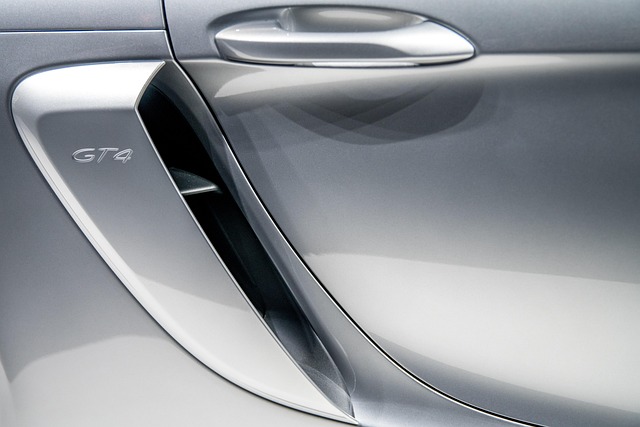
Efficient airflow is a fundamental aspect of achieving ultimate speed, whether in motorsports or optimizing your vehicle’s performance. Understanding airflow dynamics allows enthusiasts and professionals alike to fine-tune their machines for peak efficiency. The key lies in leveraging the power of cold air, which plays a pivotal role in enhancing engine intake and overall power output.
Select Cold Air Intakes (CAIs) are designed to naturally draw in cooler, denser air from outside the vehicle, providing a significant performance boost. This is particularly effective during high-revving conditions where maintaining optimal air-fuel mixture is critical. For example, a well-engineered CAI can deliver up to 10% more power and torque compared to stock intakes, as supported by various dyno tests. The cold air kits redirect the intake path, often using mandrel-bent pipes, to minimize turbulence and optimize airflow velocity. This direct fit approach ensures easy installation, typically requiring minimal modification, making it an attractive option for both DIY enthusiasts and professional tuners.
Dynamic Air Admission Systems (DAAS) represent a step further in airflow optimization. These cutting-edge systems use advanced technologies to actively control and direct air flow, ensuring constant optimal conditions across varying engine speeds and load conditions. DAAS can dynamically adjust the intake air path, allowing for precise temperature regulation and air density, thereby maximizing power extraction. For instance, some high-end sports cars employ these systems, demonstrating top-tier performance figures. However, they often come with a premium price tag and complex installation processes, making them more suited to professional modifications.
When optimizing airflow, proper cold air intake installation is crucial. This involves carefully planning the route of the cold air, ensuring it remains undisturbed until it reaches the engine. Best practices include mounting intakes in vertical or slightly angled positions, away from hot exhaust components, and using insulated tubing to minimize heat transfer. Regular maintenance, such as cleaning and inspecting filters, is also essential to maintain optimal airflow efficiency over extended periods. By harnessing the power of dynamic air admission systems and selecting the right cold air intake kits, vehicle owners can unlock hidden performance potential, resulting in an exhilarating driving experience.
Optimize Intake: Select Cold Air Sources Effectively

Optimizing cold air intake is a key component in achieving efficient airflow for ultimate speed, particularly when upgrading or modifying vehicles. The goal is to Select Cold Air Intakes effectively, leveraging natural sources where possible. This strategy ensures a rich supply of cool, dense air, which can significantly enhance engine performance. For street legal cold air intakes, the focus should be on drawing in fresh air from outside the vehicle, minimizing heat transfer and maximizing oxygen availability.
In many cases, strategically placed cold air intakes, especially those designed for modified cars, can deliver noticeable improvements. Top-secret car intake upgrades often involve advanced air induction systems that carefully route ambient air directly into the engine bay, bypassing hot exhaust gases. This direct approach allows for a smoother, cooler intake of air, leading to improved combustion efficiency and power output. Studies show that even seemingly small adjustments in air temperature can result in substantial gains in horsepower and torque.
When optimizing intake, consider the vehicle’s layout and the available cold air sources. For example, some cars benefit from underbody intakes, which tap into cooler air near the ground. Others may see improvements with hood-mounted intakes, drawing in fresh, untainted air. The key is to Select Cold Air Intakes that complement the specific needs of your vehicle and its modified engine. By carefully planning these upgrades, car owners can achieve not only improved performance but also enhanced fuel efficiency, all while maintaining street legality.
Engineering Efficient Airflow: Practical Strategies for Speed

In pursuit of unparalleled speed, efficient airflow management is a cornerstone often overlooked yet pivotal to performance optimization. The art of engineering streamlined air movement involves a strategic interplay between intake systems, engine cooling accessories, and smart design choices. One proven strategy revolves around selecting cold air intakes (CAIs) that prioritize direct, untainted atmospheric ingress, enhancing combustion efficiency. For instance, top-tier racing teams have long embraced the benefits of inline cold air admissions, meticulously designing them to extract maximum potential from every breath.
This approach leverages the density and temperature advantages of cooler air, providing a more substantial fuel-air mixture for combustion. By carefully routing intake air, engineers can facilitate smoother flow, reducing restrictions and minimizing pressure drops. Consequently, engines experience enhanced power output and torque, translating into faster acceleration and top speeds. Moreover, integrating engine cooling accessories as part of this strategy ensures optimal temperature regulation, preventing thermal degradation that could impede performance.
Beyond CAIs, top-secret car intake upgrades involve advanced materials, aerodynamic shapes, and precision engineering. For example, unique filter media can improve airflow efficiency while maintaining dust and debris filtration. Custom airboxes tailored to the vehicle’s aerodynamics enhance the overall breathing capacity of the engine. These innovations contribute to a more robust power delivery system, pushing the boundaries of speed. Ultimately, efficient airflow management is not merely about adding components; it’s an art that necessitates a holistic understanding of automotive dynamics for maximum impact on achieving ultimate speed.
By delving into the dynamics of airflow, optimizing intake strategies, and implementing practical engineering solutions, readers have gained invaluable insights for enhancing speed and performance. The key takeaways emphasize the critical role of efficient airflow, highlighting the importance of selecting cold air sources to optimize engine intake naturally. These strategies provide a comprehensive framework for engineers and enthusiasts alike to unlock the full potential of their systems, ensuring that every aspect contributes to ultimate speed and reliability. With these practical next steps in mind, readers are now equipped to revolutionize their approach to high-performance dynamics.