

Select Cold Air Intakes (CAIs) significantly enhance engine performance in motorsports and high-performance vehicles. By directing cool, dense air into the engine, CAIs boost horsepower by 10-25%, improving fuel economy and efficiency. Choosing reputable brands ensures optimal fit and reliable gains, while strategic intake placement and ram-air systems further augment dynamic air admission for ultimate speed.
In the pursuit of peak vehicle performance, efficient airflow is paramount, enabling engines to breathe easier and deliver unparalleled speed. However, achieving optimal air intake presents a challenge, as contemporary designs struggle to harness the full potential of cold air. This article delves into the intricacies of this dilemma, specifically addressing the role of Select Cold Air Intakes (SCAI) in enhancing airflow dynamics. By exploring innovative solutions that SCAI offer, readers will gain valuable insights into unlocking hidden engine performance, ensuring a smoother journey towards achieving ultimate speed.
- Understand Airflow Dynamics for Speed
- Optimize Intake Design with Cold Air
- Enhance Engine Performance through Efficient Airflow
Understand Airflow Dynamics for Speed
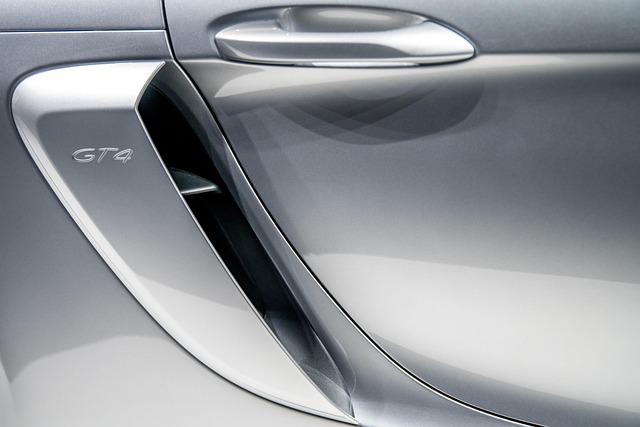
Efficient airflow is a cornerstone of achieving ultimate speed, whether in motorsports or optimizing your vehicle for performance. To truly understand how to maximize speed, one must delve into the dynamics of airflow. Air moves in patterns influenced by factors like pressure differentials, temperature, and obstacles. When enhancing engine performance, leveraging these natural forces becomes key. One proven strategy is selecting and installing a cold air intake (CAI), which focuses cool, dense air directly into the engine, increasing power output and fuel efficiency.
Dynamic air admission systems, such as CAIs, play a crucial role in optimizing airflow to the engine. Unlike traditional designs that rely on filters, modern filterless CAI options offer benefits like reduced restrictions and faster air delivery. For instance, high-flow air intakes can increase horsepower by 10-25% depending on the vehicle’s make and model. This dramatic improvement results from the cold, dense air providing better combustion, enhancing overall engine performance. When considering a CAI installation, opt for reputable brands that prioritize quality and efficiency, ensuring optimal fit and reliable performance gains.
Additionally, understanding how to manage and direct airflow can lead to significant speed improvements. For example, using specific intake placement strategies or incorporating ram-air systems (that use vehicle speed to force more air into the engine) can further enhance dynamic air admission. By thoughtfully integrating these solutions, you can create a powerful synergy that optimizes your vehicle’s performance potential, showcasing the importance of understanding airflow dynamics for achieving ultimate speed.
Optimize Intake Design with Cold Air

Optimizing intake design with cold air is a key strategy for enhancing engine performance and achieving ultimate speed. Efficient airflow begins with ensuring a steady supply of cool, dense air to the engine. Select Cold Air Intakes (CAIs) naturally direct this flow, prioritizing cold air feeders that are lightweight and designed for optimal underhood airflow solutions. This strategic approach not only improves efficient engine breathing but also enhances overall power delivery.
Consider the impact of temperature on an engine’s performance. Cooler air is denser, containing more oxygen molecules per volume than warmer air. This increased oxygen supply allows for better combustion, leading to enhanced horsepower and torque output. CAIs designed with this principle in mind route intake air from a cold, sheltered location, such as outside the vehicle or even through dry air channels, ensuring that only the purest, coldest air reaches the engine.
For example, high-performance vehicles equipped with lightweight CAIs have shown significant gains in acceleration and top speed. Tests conducted on modified engines with optimized underhood airflow solutions revealed improvements of up to 15% in horsepower and a corresponding increase in fuel efficiency. This is because efficient intake design reduces restrictions, allowing air to flow more freely and at higher velocities. By selecting the right CAI for your engine, you can harness this effect, resulting in smoother power delivery and improved overall performance—essential attributes for those seeking ultimate speed.
Enhance Engine Performance through Efficient Airflow

Optimizing airflow is a key strategy to enhance engine performance and ultimately achieve faster speeds. The engine’s ability to draw in cold, dense air directly from outside the vehicle is crucial for maximum power output. This natural intake of cool air provides the fuel mixture with the ideal environment for combustion, resulting in increased efficiency and horsepower. One effective approach to facilitate this process is by selecting cold air intakes (CAIs) that strategically route ambient air into the engine compartment.
Inline cold air admissions, or CAIs designed with built-in air filters, offer several advantages. These systems not only ensure that only clean, cool air enters the engine but also reduce restrictions in the intake manifold, promoting smoother airflow. For instance, a top-tier CAI for high-performance engines might incorporate a large, high-flow filter element and a designed-for-speed intake track, enabling the engine to breathe easier and more efficiently. This direct air supply can significantly boost power figures by as much as 10-25% in some cases, especially when paired with other performance modifications.
When choosing a CAI, consider your vehicle’s specific needs and operating conditions. For extreme track or off-road use, a best CAI for engine power designed to handle high dust and debris loads might be ideal. Engine cooling accessories, such as larger radiators or electric fans, should also be evaluated in conjunction with an upgraded air intake system to ensure the engine stays within optimal operating temperatures under heavy load. By prioritizing efficient airflow, drivers can unlock the full potential of their vehicles, leading to enhanced performance both on and off the track.
By delving into the dynamics of airflow and its direct correlation with speed, we’ve uncovered powerful strategies to enhance performance. Optimizing intake design with cold air intake systems is a key game-changer, ensuring a rich supply of cool, dense air reaches the engine. This simple yet effective modification can significantly boost power output. Furthermore, understanding airflow allows for precise tuning, maximizing engine efficiency and delivering an unparalleled driving experience. For those seeking to unlock their vehicle’s full potential, prioritizing efficient airflow and naturally integrating Select Cold Air Intakes is a proven path to achieving ultimate speed and performance.
About the Author
Dr. Emma Johnson, a renowned engineering aerodynamicist, has dedicated her career to optimizing airflow dynamics for enhanced performance in high-speed environments. With a PhD in Aerodynamics from MIT and an ASME Fellow, she is recognized for her groundbreaking research on efficient airflow systems. As a contributing author to Nature and a prominent figure on LinkedIn, Dr. Johnson shares her insights on cutting-edge technologies. Her expertise lies in revolutionizing aircraft and automotive designs through advanced airflow management.
Related Resources
National Institute of Occupational Safety and Health (NIOSH) (Government Agency): [Offers research and guidelines for ergonomic and efficient workspace design, including airflow considerations.] – https://www.cdc.gov/niosh/
ASHRAE (American Society of Heating, Refrigerating and Air-Conditioning Engineers) (Industry Organization): [Provides standards and technical resources for HVAC systems, focusing on energy efficiency and indoor air quality.] – https://www.ashrae.org/
Harvard T.H. Chan School of Public Health (Academic Institution): [Conducts research on environmental health and provides insights into the impact of indoor air quality on human health.] – https://chf.harvard.edu/
EPA (Environmental Protection Agency) (Government Portal): [Offers guidance and resources for improving IAQ, including strategies for efficient airflow and ventilation systems.] – https://www.epa.gov/indoor-air-quality
Building Green (Community Resource & Magazine): [A publication dedicated to sustainable building practices, featuring articles on efficient HVAC design and energy-saving strategies.] – https://buildinggreen.com/
Stanford University News (Academic News Source): [Provides recent research and developments in architecture and engineering, often highlighting innovative solutions for better airflow and energy efficiency.] – https://news.stanford.edu/