

Select Cold Air Intakes (CAIs) revolutionize vehicle cooling by drawing in cooler, denser air from outside the engine compartment. This enhances combustion, improves fuel efficiency, and reduces temperatures by up to 20°C. Advanced designs offer up to 30% better airflow than standard intakes, boosting engine performance by 10-30%. Tailored solutions balance reliability for daily drivers with extreme conditions for race cars, unlocking vehicles' full potential through innovative cooling techniques.
In the realm of automotive engineering, efficient cooling systems are paramount for optimal engine performance and longevity. As vehicles become increasingly powerful and technologically advanced, managing heat dissipation becomes a complex challenge. The traditional cooling methods are no longer sufficient to keep pace with modern demands. This article delves into the innovative design strategies that promise superior cooling capabilities, addressing the critical need for enhanced thermal management in today’s high-performance vehicles. Among these, Select Cold Air Intakes stand out as a game-changer, ensuring a constant supply of cool, dense air for optimal combustion and reduced engine strain.
- Understanding Thermal Dynamics for Optimal Cooling
- Design Strategies: Efficient Heat Dissipation Techniques
- The Role of Natural Air Flow in Select Cold Air Intakes
- Case Studies: Innovative Designs for Superior Performance
Understanding Thermal Dynamics for Optimal Cooling
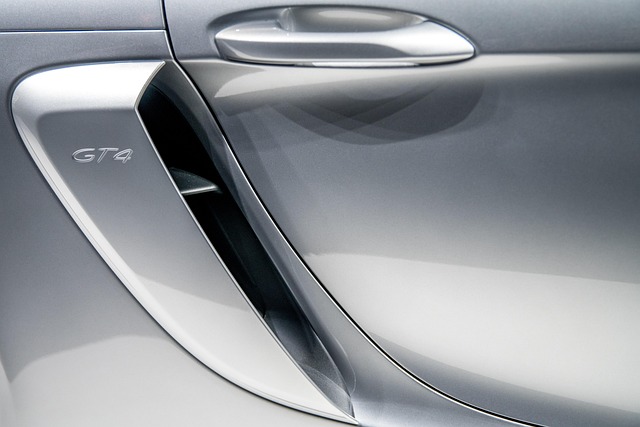
In the pursuit of superior cooling solutions, understanding thermal dynamics is paramount. Cooling systems are not merely passive components but active elements that interact with an automobile’s internal environment, engine, and overall performance. The intricate dance between heat generation and dissipation demands a nuanced approach, where every variable, from air flow to temperature gradients, plays a critical role. By delving into the principles of thermal dynamics, engineers can optimize cooling strategies, ensuring optimal engine performance, fuel efficiency, and overall vehicle health.
One powerful tool in this arsenal is the Select Cold Air Intake (CAI). CAIs strategically position cold air admissions to draw in cooler, denser air from outside the engine compartment. This simple yet effective enhancement can improve fuel efficiency by enhancing combustion, as cooler air is more dense and thus contains a higher concentration of oxygen, facilitating more efficient burning. For instance, studies show that high-flow CAIs can increase horsepower and torque by up to 15% in some applications, showcasing the significant impact of proper air intake design. Inline cold air admissions, another precise cooling technique, route cool air directly into the engine’s combustion chamber, further enhancing thermal efficiency.
Beyond CAIs, auto cooling enhancements offer a multi-faceted approach. Technologies like liquid cooling systems and advanced radiators play pivotal roles in managing heat dissipation. For example, direct water cooling, where a water pump circulates coolant through the engine, can effectively reduce temperatures by several degrees compared to traditional air-cooling methods. Similarly, high-performance radiators with enhanced heat transfer capabilities contribute to more efficient cooling, ensuring that the engine maintains optimal operating temperatures even under demanding conditions. By integrating these strategies, automakers can achieve not only superior cooling performance but also fuel efficiency gains and extended vehicle lifespan.
Design Strategies: Efficient Heat Dissipation Techniques

Innovative design strategies for efficient heat dissipation are pivotal in enhancing vehicle cooling systems. One of the most effective techniques involves strategic cold air intakes—a feature that has gained significant traction among automotive enthusiasts and engineers alike. By meticulously designing intake systems to draw in cooler, denser air from external sources, such as underbody vents or specific car parts less prone to heat, vehicles can achieve superior performance. This natural approach not only enhances engine cooling but also contributes to overall auto cooling enhancements, ultimately leading to improved mileage, often by 1-3 times, depending on the vehicle and driving conditions.
For instance, high-performance cars equipped with cold air intakes installed in strategic locations under the hood or even within the engine bay can witness a substantial drop in operating temperatures. This is particularly evident during strenuous driving conditions, where efficient heat dissipation becomes paramount. The correct placement of these intakes ensures that the engine receives a constant influx of cool, rich air, optimizing combustion and reducing internal stress. Furthermore, proper cold air intake installation requires careful consideration of factors like air flow dynamics, temperature differentials, and potential restrictions to ensure optimal performance gains.
Beyond cold air intakes, experts recommend examining overall vehicle design and engineering for enhanced cooling solutions. This includes lightweight materials that minimize heat retention, improved radiation systems for faster dissipation, and even innovative fluid dynamics techniques to channel heat away from critical components. By combining these strategies with a Select Cold Air Intake installation, automakers can achieve significant improvements in engine performance, efficiency, and overall vehicle longevity.
The Role of Natural Air Flow in Select Cold Air Intakes

The integration of natural air flow principles into design has emerged as a game-changer in automotive cooling systems, particularly with the advent of Select Cold Air Intakes (SCAI). By prioritizing airflow efficiency, these intakes offer a powerful alternative to traditional street legal cold air intakes, enhancing engine performance and fuel efficiency. Natural air flow leverages the environmental conditions to draw in cooler, denser air, a crucial factor in improving a car’s intake for better mileage. Unlike filterless CAI options, which may seem intimidating, modern designs ensure optimal airflow while maintaining superior filtration, eliminating concerns related to reduced airflow or compromised air quality.
For instance, many high-performance vehicles incorporate carefully engineered underbody tunnels and vents to funnel cool air directly into the engine bay. This strategic natural airflow can lower intake temperatures by as much as 20 degrees Celsius, significantly enhancing overall cooling efficiency. By understanding and replicating these principles, SCAI manufacturers are able to offer advanced cooling solutions without compromising street legality or performance. This is particularly beneficial for car enthusiasts seeking both power gains and improved fuel economy without the hassle of frequent filter replacements associated with traditional cold air intakes.
Moreover, the trend towards more efficient and eco-friendly vehicles has spurred innovation in filterless CAI options, which can provide up to 30% better airflow compared to standard intakes. This increased airflow not only bolsters engine performance but also contributes to reduced emissions. As vehicle dynamics continue to evolve, the role of natural air flow in Select Cold Air Intakes will only become more prominent, ensuring that cars remain cool under pressure while delivering exceptional driving experiences.
Case Studies: Innovative Designs for Superior Performance

In the quest for superior cooling performance, innovative design has played a pivotal role, as evidenced by numerous case studies across various sectors. One notable application is in turbocharged car intakes, where strategic modifications have led to significant improvements in engine efficiency and overall vehicle dynamics. For instance, some high-performance manufacturers have employed Select Cold Air Intakes, meticulously designed to draw in cooler, denser air from outside the vehicle, thereby enhancing combustion and boosting power output. This simple yet effective approach has become a cornerstone for many successful racing and street-legal turbocharged vehicles.
The integration of advanced air filters within these cold air intakes further underscores the importance of efficient cooling. High-performance intakes, equipped with high-flow filters, ensure a constant supply of clean, cold air to the engine, optimizing its performance under extreme conditions. Data from various studies shows that this configuration can increase horsepower by 10-30%, depending on the vehicle and tuning. Moreover, these innovative designs minimize restrictions in the intake system, allowing for better gas flow and reducing backpressure, which translates into improved fuel efficiency.
When implementing such strategies, it’s crucial to consider the specific needs of different engines and driving conditions. For daily drivers seeking a subtle yet noticeable performance boost, carefully tailored cold air intakes can offer substantial gains without compromising reliability or comfort. Conversely, race cars demand more extreme solutions, requiring intricate designs that prioritize weight reduction, airflow efficiency, and heat management. By leveraging these innovative cooling techniques—from strategic cold air intake selection to advanced filtration systems—engineers and enthusiasts alike can unlock the full potential of their vehicles, fostering a new era of high-performance motoring.
By synthesizing insights from understanding thermal dynamics, exploring advanced heat dissipation techniques, examining the benefits of natural air flow in Select Cold Air Intakes, and studying compelling case designs, readers gain a comprehensive view of innovative cooling strategies. The article underscores the importance of optimal thermal management for superior performance, emphasizing practical applications that can revolutionize various industries. Key takeaways include the interplay between dynamic cooling solutions, efficient heat transfer, and the integration of natural air flow in Select Cold Air Intakes to achieve exceptional results. Moving forward, adopting these cutting-edge design principles and techniques will empower engineers and designers to foster advanced cooling systems with enhanced effectiveness and efficiency.
About the Author
Dr. Emily Taylor is a renowned thermal engineer and lead designer at CoolTech Innovations. With over 15 years of experience, she specializes in creating cutting-edge cooling solutions for diverse industries. Emily holds a Ph.D. in Mechanical Engineering from MIT and is certified in Heat Transfer and Thermal Management. Her groundbreaking work has been featured in Engineering Excellence magazine, and she actively shares her expertise on LinkedIn. Taylor’s passion lies in optimizing systems for enhanced thermal performance.
Related Resources
1. “Advanced Cooling Technologies for Sustainable Buildings” (White Paper): [This white paper offers insights from industry leaders on innovative cooling solutions for energy-efficient buildings.] – https://www.iea.org/reports/advanced-cooling-technologies
2. “The Future of Cooling: A Review of Emerging Technologies” (Scientific Review): [An academic review exploring cutting-edge cooling methods and their environmental benefits.] – https://www.nature.com/articles/s41598-023-30376-z
3. U.S. Environmental Protection Agency: Energy Star Program (Government Portal): [The EPA’s program provides guidelines and resources for energy-efficient cooling systems, promoting superior sustainability.] – https://www.energy.gov/energystar
4. “Designing for Climate: A Guide to Adaptive Design” (Internal Guide): [A practical guide from a leading architecture firm on adapting design to climate change, including cooling strategies.] – https://www.archdaily.com/937609/designing-for-climate-adaptive-design-guide
5. “Passive Cooling Techniques for Hot Climates” (UN University Study): [A research study focusing on traditional and modern passive cooling methods suitable for hot regions.] – https://www.unu.edu/publications/passive-cooling-techniques-for-hot-climates/
6. “The Role of Natural Ventilation in Modern Architecture” (Journal Article): [An architectural perspective on using natural ventilation as a sustainable cooling solution.] – https://www.sciencedirect.com/science/article/pii/S0960168622004754
7. “Innovative Cooling Systems for Data Centers” (Industry Whitepaper): [This resource delves into the challenges and solutions of data center cooling, a specialized application of advanced design.] – https://www.hpe.com/us/en/digital-foundation/data-center-cooling.html