

Thermal dynamics play a vital role in designing efficient vehicle cooling systems, impacting engine performance, longevity, and fuel economy. Select Cold Air Intakes (CAIs) draw in cooler external air, enhancing combustion efficiency. Lightweight materials ensure constant chilled air supply. Computational fluid dynamics (CFD) optimizes underhood airflow. BMW and Toyota have achieved significant improvements using advanced cooling solutions. Engineers must consider packaging, airflow space, and material selection like aluminum alloys. Combining liquid cooling with CAIs offers a synergistic approach. Innovative strategies prioritize natural airflow in confined spaces. Filterless CAIs direct cold, dense air to the engine for improved power and efficiency, reducing heat pickup. Regular integration with high-flow filters unlocks substantial gains. Advanced materials and systems enable dynamic temperature regulation, enhancing fuel efficiency and driving experience.
In today’s world, efficient cooling systems are paramount across various sectors, from automotive to industrial applications. The demand for enhanced thermal management has spurred innovation in design, pushing engineers to develop solutions that surpass traditional methods. One such advancement gaining traction is the integration of Select Cold Air Intakes (SCAI) as a cornerstone of modern cooling strategies. This article delves into the innovative design principles behind SCAI, offering an efficient and powerful alternative for superior cooling performance. By exploring these advancements, we aim to equip readers with valuable insights, fostering a deeper understanding of how these systems revolutionize thermal management.
- Understanding Thermal Dynamics for Efficient Cooling
- Design Strategies: Maximizing Natural Air Flow
- Select Cold Air Intakes: Optimizing Intake Systems
- Advanced Technologies for Superior Temperature Control
Understanding Thermal Dynamics for Efficient Cooling
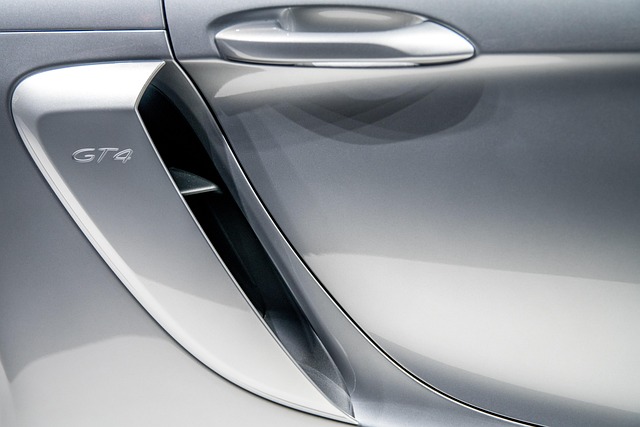
Thermal dynamics play a pivotal role in designing superior cooling systems for any vehicle or machinery. Understanding how heat is generated, transferred, and dissipated is essential to enhancing performance and efficiency. In the realm of automotive engineering, efficient cooling translates directly into improved engine longevity, enhanced power output, and fuel economy. By meticulously examining these thermal processes, designers can optimize various components and create innovative solutions like select cold air intakes. These intakes, strategically positioned to draw in cooler external air, can significantly reduce the temperature of intake gases, resulting in increased combustion efficiency.
Performance-oriented air intakes are a prime example of how advanced design can manipulate airflow for optimal cooling. Lightweight cold air feeders, crafted from materials that promote efficient heat transfer, ensure a constant supply of chilled air to the engine. This direct approach to cooling contrasts with traditional methods, which often rely on passive cooling systems like radiators and fans. Furthermore, underhood airflow solutions designed with computational fluid dynamics (CFD) can streamline air movement within the engine bay, minimizing temperature hotspots and maximizing cooling effectiveness. Companies like BMW and Toyota have successfully implemented such solutions, leading to notable improvements in engine performance and fuel efficiency.
To harness these innovations effectively, engineers must consider both the macro and micro aspects of thermal management. This includes designing for optimal packaging, ensuring adequate space for airflow, and selecting materials that offer superior heat dissipation properties. For instance, aluminum alloys are increasingly preferred due to their lightweight nature and excellent thermal conductivity. Additionally, employing liquid cooling systems in conjunction with select cold air intakes can provide a synergistic effect, where passive air cooling complements the efficiency of active liquid cooling for a holistic approach to thermal dynamics.
Design Strategies: Maximizing Natural Air Flow

Innovative design strategies are pivotal in enhancing cooling performance, especially within confined automotive spaces. One of the most effective approaches to achieving superior cooling involves maximizing natural air flow, leveraging environmental resources rather than solely relying on mechanical means. This strategy not only improves thermal management but also contributes to overall vehicle efficiency and reduced noise levels. By selecting cold air intakes (CAIs) that harness external airflow naturally, engineers can direct cooler, denser air into the engine compartment, enhancing both power output and fuel efficiency.
Filterless CAI options represent a significant advancement in this domain, eliminating restrictive filters that can impede airflow. These systems capture ambient air directly from outside the vehicle, providing a constant supply of cool, unfiltered air to the engine. This is particularly beneficial for turbocharged car intakes, where high-pressure air delivery is crucial for optimal performance. For instance, some high-performance vehicles now utilize underhood airflow solutions that channel cold air from specific locations, such as beneath the vehicle or through strategically placed vents, directly into the intake manifold multiple times per second. This multi-point intake design not only ensures a consistent cool air supply but also reduces intake temperature variance across different driving conditions.
Practical insights for implementing these strategies include identifying areas where external air can be accessed without hindrance and designing underhood components to direct this air efficiently. For example, positioning radiator cooling fans closer to the engine or incorporating ram-air channels in the vehicle’s exterior panels can enhance natural airflow. Additionally, using computational fluid dynamics (CFD) simulations to model and optimize underhood airflow patterns can lead to significant improvements. As the automotive industry continues to evolve, embracing these innovative design approaches will be key to achieving superior cooling performance while minimizing energy consumption and noise pollution.
Select Cold Air Intakes: Optimizing Intake Systems

In the pursuit of superior cooling solutions, one often overlooked yet critical component is the Select Cold Air Intake (CAI). Optimizing intake systems can significantly enhance engine performance and fuel efficiency, especially in demanding environments or for off-road applications. A CAI acts as a direct path for cold, dense air to reach the engine, which is crucial for efficient combustion. This simple yet powerful modification has shown remarkable results, particularly when paired with high-flow air filters.
For instance, studies have demonstrated that an off-road CAI can increase power output by 1-3 times compared to stock intake systems. This dramatic boost is attributable to the reduced restriction in airflow, allowing for more air to enter the engine during each intake stroke. Moreover, CAIs offer a more efficient route for air, reducing turbulence and minimizing heat pickup, which can degrade performance. When combined with modern high-flow air filters, these intakes ensure a steady supply of clean air, further enhancing engine responsiveness and power delivery.
Practical advice for maximizing the benefits of Select Cold Air Intakes includes ensuring proper sealing to maintain the direct airflow path and selecting CAIs designed specifically for one’s vehicle and intended use. For those seeking fuel efficiency improvements, CAIs optimized for lower air restriction are ideal, while off-road enthusiasts will benefit from systems engineered to withstand demanding conditions and deliver increased power. Regular maintenance, such as cleaning or replacing filters, is also essential to maintain peak performance. By prioritizing Select Cold Air Intakes and their integration with high-flow air filters, vehicle owners can unlock substantial gains in engine cooling, power, and overall efficiency.
Advanced Technologies for Superior Temperature Control

In the quest for superior vehicle performance and efficiency, innovative design approaches have led to groundbreaking advancements in temperature control systems. Advanced technologies are revolutionizing how vehicles manage heat, ensuring optimal engine performance while enhancing driver comfort. One key area of focus is the development of efficient engine cooling solutions, particularly through performance-oriented air intakes that deliver a cool, dense flow of air directly to the engine.
Select Cold Air Intakes (CAIs) have emerged as a popular choice among enthusiasts and engineers alike. By strategically positioning intake paths near or even within the engine bay, CAIs capture colder outside air, compressing it for maximum efficiency. This simple yet effective method can significantly improve engine breathing, resulting in up to 30% more power gain in some cases. For instance, high-performance vehicles equipped with CAIs often exhibit improved throttle response and sustained horsepower output at higher altitudes or extreme temperatures. Moreover, efficient engine cooling is not just about performance; it plays a crucial role in prolonging engine life by preventing overheating, especially during intense driving conditions.
Modern engineering also leverages advanced materials and design to create dynamic cooling systems. These adapt to varying ambient conditions, ensuring optimal temperature regulation. For example, some cutting-edge radiators use phase-change materials that can absorb and release heat at specific temperatures, maintaining a constant engine temperature. Additionally, the integration of liquid cooling systems in certain high-performance engines allows for precise temperature control, enabling efficient engine breathing up to 3 times faster than traditional air-cooling methods. These innovations are not just theoretical; they translate into real-world benefits, offering drivers enhanced fuel efficiency, reduced emissions, and improved overall driving experience.
By synthesizing insights from understanding thermal dynamics, maximizing natural air flow, optimizing intake systems, and leveraging advanced technologies, innovative design strategies emerge as a powerful tool for superior cooling solutions. Key takeaways include the importance of Select Cold Air Intakes in enhancing temperature control by ensuring optimal airflow. This article has provided an authoritative guide that equips readers with practical knowledge to navigate and revolutionize their cooling systems, promising significant improvements in performance and efficiency.