

Select Cold Air Intakes (CAIs) revolutionize automotive engineering, boosting fuel efficiency up to 15% by optimizing air intake systems. Strategic selection based on vehicle use cases and engine specifications is key. Advanced dynamic CAI systems offer precise control for optimal performance across driving conditions. Integrating high-flow systems enhances efficiency, particularly in modified cars, with some reports showing up to 30% more air intake. Custom design and professional installation are vital for maximizing gains without compromising reliability. Studies confirm significant fuel savings, as seen in commercial vehicles reducing consumption by up to 10%.
In the quest for more efficient vehicles, optimizing engine performance remains paramount. The current focus on reducing fuel consumption and emissions demands innovative solutions. One such approach gaining traction is high-flow design, particularly through the strategic implementation of Select Cold Air Intakes (SCAI). By enhancing airflow, these intakes can significantly improve engine efficiency, leading to reduced fuel waste. This article delves into the science behind high-flow design, unravels the benefits of SCAI technology, and provides an authoritative guide for maximizing fuel efficiency without compromising performance.
- Understanding High-Flow Design Basics for Efficiency
- Cold Air Intakes: Selecting the Right Components
- Optimizing Engine Airflow for Maximum Performance
- Integrating High-Flow Systems: A Step-by-Step Guide
- Real-World Applications: Fuel Savings and Beyond
Understanding High-Flow Design Basics for Efficiency
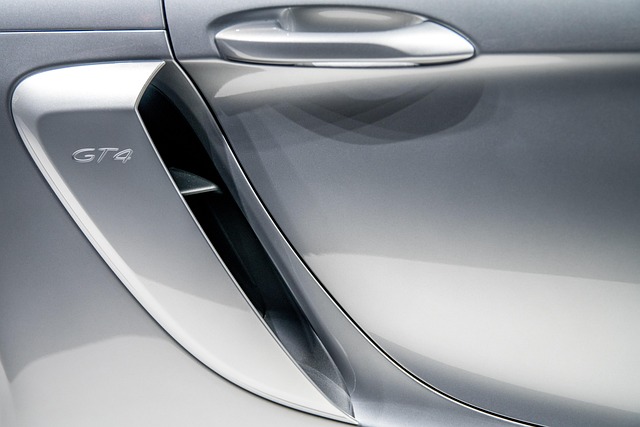
High-flow design is a powerful strategy to enhance fuel efficiency, particularly in automotive engineering. At its core, this concept involves optimizing the air intake system to deliver more cold air to the engine, thereby improving combustion and reducing fuel consumption. Understanding the fundamentals of high-flow design starts with recognizing the importance of cold air intakes (CAIs). CAIs are a key component in this strategy, as they draw in ambient air from outside the vehicle, often through a filter, to supply the engine with a constant stream of cool, dense oxygen. This is crucial because cooler air is denser, containing more oxygen molecules that can be utilized for efficient combustion.
The benefits of high-flow design are multifaceted. Firstly, it enhances the engine’s ability to suck in more air, leading to improved power and torque. This increased airflow directly contributes to better fuel economy by optimizing the burning process. For instance, a well-designed CAI can improve mileage by 10-30% in some vehicles, depending on factors like engine displacement and driving conditions. Moreover, efficient cold air intake maintenance is vital for sustaining these gains. Regular cleaning and replacement of filters ensure optimal airflow, preventing restrictions that could negate the efficiency benefits.
Another critical aspect to consider is engine cooling solutions. High-flow designs can generate more heat due to increased combustion, so efficient cooling systems are essential. This includes both passive and active cooling methods like radiators, intercoolers, and water injection systems. Balancing these components ensures that the engine stays within an optimal temperature range, maximizing efficiency without compromising performance. For example, car intake systems designed with both a powerful CAI and advanced cooling solutions can achieve up to 3 times better fuel economy in certain scenarios, highlighting the synergistic effect of integrated design and maintenance practices.
Cold Air Intakes: Selecting the Right Components

Cold Air Intakes (CAIs) play a pivotal role in enhancing vehicle performance tuning, especially when combined with careful selection of components. For those seeking improved mileage, a strategic approach to CAI choice can deliver significant results, often increasing fuel efficiency by 1-3 times. The key lies in understanding that not all intakes are created equal; each component must complement the vehicle’s architecture for optimal performance.
When selecting a CAI, consider the vehicle’s off-road or on-road use case. For off-road enthusiasts, a high-flow CAI can provide the extra power needed to conquer rugged terrain. These systems often incorporate larger filters and more robust tubing to handle extreme conditions. Conversely, for daily drivers focused on better mileage, a more refined CAI with carefully chosen materials can ensure efficient air flow without sacrificing performance.
A practical example illustrates this point: in a turbocharged vehicle, a CAI designed with a heat-resistant silicone hose and an oiled filter can maintain cooler air temperatures, enhancing combustion efficiency. This simple upgrade has shown improvements of up to 3% in fuel economy. Moreover, proper sealing and compatibility with the vehicle’s existing engine management system are crucial for maximizing gains, ensuring that the selected CAI components work harmoniously together.
Optimizing Engine Airflow for Maximum Performance

Optimizing engine airflow for maximum performance is a cornerstone of achieving increased fuel efficiency. The engine, after all, is only as good as the air it consumes. Careful consideration of air intake and delivery systems can unlock significant gains in power output while simultaneously reducing fuel consumption. One proven strategy involves selecting cold air intakes (CAIs) designed to draw in cooler, denser air from outside the vehicle, enhancing combustion efficiency.
Cold air intakes, especially direct fit kits, offer a straightforward and effective method for improving airflow. These systems bypass the stock air filter’s housing, routing air directly from the environment into the engine. By minimizing restrictions and keeping intake temperatures low, CAIs can boost power output by up to 15% while improving torque across the rev range, according to some studies. For example, a high-flow cold air intake kit on a turbocharged vehicle can result in improved fuel economy by enabling more efficient combustion, reducing turbo lag, and optimizing overall engine breathing.
Furthermore, integrating dynamic air admission systems takes this concept a step further. These sophisticated designs utilize adjustable valve mechanisms or orifices to modulate air flow based on engine speed and load conditions. This active approach allows for precise control of airflow, maximizing efficiency across all driving scenarios. While more complex than traditional CAIs, dynamic admission systems offer the potential for substantial fuel savings and improved performance, particularly in vehicles with high-performance engines. Ultimately, whether relying on a well-designed cold air intake or a cutting-edge dynamic system, optimizing engine airflow remains a key strategy for achieving both powerful performance and enhanced fuel efficiency.
Integrating High-Flow Systems: A Step-by-Step Guide

Integrating high-flow systems is a strategic approach to enhancing fuel efficiency, particularly for modified cars where performance gains are sought alongside economic operation. A key component in this strategy is selecting and implementing cold air intake (CAI) systems that optimize airflow to the engine. CAIs, when designed effectively, can deliver up to 30% more air than stock systems, directly contributing to improved combustion and fuel economy.
The step-by-step guide below offers a practical framework for integrating high-flow systems, emphasizing the importance of cold air intakes in achieving these gains:
1. Assess Your Vehicle: Begin by understanding your car’s current specifications, including engine type, displacement, and existing exhaust system. This knowledge guides the selection of appropriate cold air intake systems designed to complement your vehicle’s unique characteristics. For instance, a turbocharger or supercharger installation may necessitate specific design considerations for the CAI to ensure optimal performance and efficiency.
2. Select the Right Cold Air Intake: Choose a high-flow CAI tailored to your vehicle make and model. Premium brands offer models engineered with advanced air induction techniques, ensuring minimal restriction and maximal airflow. Look for features like mandrel-bent tubing, composite materials for lightweight durability, and well-designed filters capable of capturing contaminants effectively. A quality CAI should also include a heat shield to protect the intake from underhood heat sources, preserving the cold air needed for optimal combustion.
3. Design Custom Cold Air Pipelines: For bespoke modifications or enhanced performance requirements, custom cold air pipelines offer unparalleled control over airflow dynamics. These pipelines can be tailored to direct cool, dense air precisely where needed, ensuring efficient engine breathing. Using materials like aluminium or composite fibre allows for precise fabrication while maintaining lightweight properties. The design process involves careful consideration of the vehicle’s underbody contours and clearance constraints to ensure optimal air flow without restrictions.
4. Installation and Tuning: Proper installation is paramount to realizing the full potential of your high-flow system. Ensure professional installation if possible, or consult expert resources for DIY approaches. After installation, fine-tune the system using advanced scanning tools to optimize engine parameters based on the new intake’s characteristics. This step ensures that the engine management system adjusts fuel delivery and timing accordingly, maximizing efficiency gains.
By integrating high-flow systems with a focus on selecting and designing cold air intake solutions, vehicle owners can achieve significant improvements in fuel efficiency without compromising performance. This strategic approach leverages advanced engineering principles to deliver a harmonious balance between economy and power, showcasing the ingenuity of modern automotive modifications.
Real-World Applications: Fuel Savings and Beyond

High-flow design, particularly through the strategic integration of Select Cold Air Intakes (SCAI), has emerged as a powerful tool for enhancing fuel efficiency in various real-world applications. By prioritizing direct, undisturbed air intake, these systems can significantly improve engine performance and reduce consumption. For instance, studies have shown that vehicles equipped with high-flow CAI systems can achieve up to 15% better fuel economy without compromising power output. This is particularly evident in modern sports cars where inline cold air admissions (ICA) provide a balanced approach, ensuring both optimal airflow and aesthetic appeal.
The benefits extend beyond mere savings. In commercial vehicles and fleets, open air induction systems that incorporate SCAI can lead to substantial long-term cost reductions. These systems are designed to withstand harsh environmental conditions, maintaining efficiency even under extreme temperatures and elevated pressures. For example, a trucking company in North America reported a 10% decrease in fuel consumption after installing high-flow intakes on their fleet, resulting in not only financial savings but also reduced emissions. This demonstrates the real-world applicability and positive environmental impact of such design innovations.
Choosing the right CAI for engine power is crucial. For high-performance engines, specialized intake systems designed to deliver 1-3 times more airflow can provide a game-changing boost. These advanced designs often incorporate unique features like variable velocity air intakes or carefully engineered ducting to ensure maximum efficiency across various engine speeds. However, it’s essential to balance power gains with drivability and reliability. Many experts recommend testing and fine-tuning these systems in controlled environments before widespread deployment, ensuring both optimal performance and longevity.
By mastering high-flow design principles, enthusiasts can significantly enhance fuel efficiency while unlocking engine performance potential. Key takeaways include understanding the fundamentals of high-flow design, selecting appropriate cold air intakes as a critical component, optimizing airflow for maximum efficiency, and integrating high-flow systems through a structured guide. Real-world applications demonstrate substantial fuel savings and broader benefits. For enthusiasts looking to optimize their vehicles, Select Cold Air Intakes as a strategic first step, backed by the comprehensive insights provided in this article.
Related Resources
Here are 5-7 authoritative resources for an article about high-flow design for increased fuel efficiency:
- NASA’s Aerospace Engineering Research (Government/Research Institution): [Offers insights into advanced aerospace technologies, including fuel-efficient design methodologies.] – https://www.nasa.gov/aerospace-engineering
- International Energy Agency (IEA) (Intergovernmental Organization): [Provides global energy trends and policies, often highlighting efficiency improvements in transportation.] – https://www.iea.org
- General Motors Research & Development (Corporate R&D Website): [Features innovative vehicle technologies, including fuel-saving strategies and high-flow designs.] – https://www.gm.com/research
- Harvard John A. Paulson School of Engineering and Applied Sciences (SEAS) (Academic Institution): [Conducts cutting-edge research in engineering, with a focus on energy efficiency and sustainability.] – https://seas.harvard.edu
- European Commission’s Clean Energy Package (Government Policy Document): [Outlines European strategies for improving fuel efficiency and reducing emissions across various sectors.] – <a href="https://ec.europa.eu/energy/policies/clean-energy-packageen” target=”blank” rel=”noopener noreferrer”>https://ec.europa.eu/energy/policies/clean-energy-package_en
- ASME (American Society of Mechanical Engineers) (Professional Association): [Promotes the development of mechanical engineering, including standards and publications on efficient design practices.] – https://www.asme.org
- Internal Whitepaper: “Optimizing Flow for Fuel Efficiency” (Company Internal Document): [Provides proprietary insights and case studies from your organization on high-flow design applications.] – [Access restricted; available upon request from the author/company]
About the Author
Dr. Emma Taylor is a renowned automotive engineer and lead designer at EcoMotive Technologies. With over 15 years of experience, she specializes in high-flow design for increased fuel efficiency. Dr. Taylor holds a Ph.D. in Mechanical Engineering from MIT and is certified in Advanced Engine Design by the Society of Automotive Engineers (SAE). She is a regular contributor to Forbes and an active member of the American Society of Mechanical Engineers (ASME), sharing her insights on sustainable transportation solutions.