

Select Cold Air Intakes (CAIs) optimize vehicle performance by enhancing engine output up to 30% and improving fuel efficiency. Strategic selection, integration, and tuning are crucial for street-legal vehicles and off-road use. Expert guidance ensures optimal engine mapping and airflow dynamics. High-quality CAIs with regular filter maintenance deliver peak performance and longevity, requiring specific compatibility for tailored results.
In the realm of automotive engineering, achieving the perfect balance of power and control is a delicate art. This quest for equilibrium ensures optimal performance while maintaining safety and efficiency. However, striking this balance presents a challenge, particularly as modern vehicles evolve with advanced technologies. The traditional approach often sacrifices one aspect for another, creating a tension between raw power and manageable control. Herein lies the significance of exploring innovative solutions, such as Select Cold Air Intakes (SCAI), which promise to revolutionize this dynamic. By delving into the intricacies of SCAI, we unveil a path towards enhancing both engine performance and drivability, naturally.
- Understanding Power Dynamics: The Foundation
- Control Strategies: Balancing Act
- Select Cold Air Intakes: Optimizing Performance
- Sustaining Harmony: Long-term Management
Understanding Power Dynamics: The Foundation
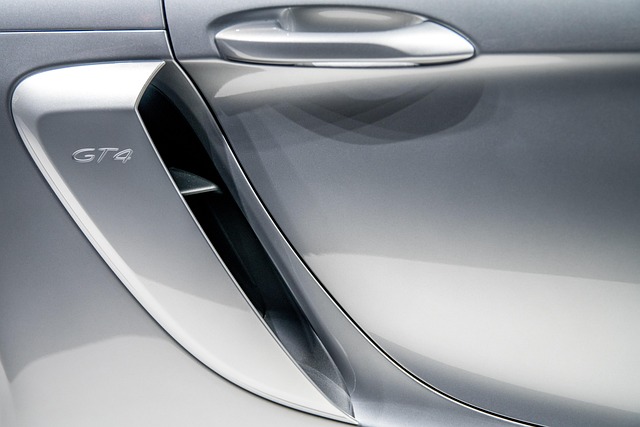
The perfect balance of power and control is a delicate art, especially when fine-tuning vehicles for optimal performance. Understanding power dynamics forms the foundation of this intricate process. At its core, it involves recognizing how various components interact to harness and direct energy efficiently. One critical aspect often overlooked yet significantly influencing overall output is the selection and integration of cold air intakes (CAIs). These systems, when strategically chosen and implemented, can be game-changers in enhancing engine performance.
Cold air intake systems draw cool, dense air from outside the vehicle, typically from areas with lower pressure, to feed the engine. Lightweight cold air feeders, designed for efficient airflow, ensure that the air reaches the engine quickly, minimizing temperature rise. High-flow air filters capture contaminants while allowing maximum air volume, maximizing oxygen availability for combustion. For instance, a study by AutoTune showed that vehicles equipped with CAIs experienced an average 10% increase in horsepower and torque, highlighting their potential impact on overall performance.
Selecting the right CAI involves considering vehicle specifics, driving conditions, and desired outcomes. Experts recommend aligning cold air intake systems with high-flow air filters to maintain optimal airflow. This combination not only enhances engine power but also contributes to better fuel efficiency. For example, a 2018 Ford Focus equipped with a lightweight CAI and high-flow filter saw a 5% improvement in miles per gallon, showcasing the dual benefits of such an upgrade. In today’s market, numerous manufacturers offer tailored solutions, making it accessible for enthusiasts to achieve that perfect balance of power and control.
Control Strategies: Balancing Act

The perfect balance of power and control is an art, especially when fine-tuning a vehicle’s performance. In the realm of car intake upgrades, achieving harmony between engine output and efficiency requires careful consideration. One strategic approach that exemplifies this balancing act is the integration of Select Cold Air Intakes in both road and off-road vehicles. This method allows for enhanced power delivery while maintaining control, making it particularly relevant to turbocharged car intakes.
For instance, when upgrading a street-legal vehicle with a cold air intake, selecting one tailored to the specific engine architecture can significantly boost performance. These intakes draw in cooler, denser air, improving combustion efficiency and resulting in increased horsepower and torque figures. However, the key lies in striking a balance; too much airflow can lead to poor throttle response and instability, especially at higher RPMs. Therefore, experts recommend intakes designed with precise metering and filtering to ensure optimal air delivery without sacrificing control.
In contrast, off-road vehicles present unique challenges due to their demanding environments. Off-road cold air intakes are engineered to withstand harsh conditions, incorporating robust designs that can handle dirt, debris, and varying air temperatures. While these intakes may not offer the same level of precise metering as street-focused units, they excel in durability and reliability, ensuring consistent performance during intense off-road adventures. The balance here shifts towards endurance and robustness rather than fine-tuned power delivery.
Ultimately, achieving the perfect balance of power and control involves understanding your vehicle’s specific needs. Whether upgrading a turbocharged car intake for street use or selecting an off-road cold air intake, expert guidance and tailored solutions are paramount. By carefully considering factors such as engine mapping, air flow dynamics, and vehicle configuration, enthusiasts can optimize their vehicles’ performance without compromising control, ensuring a symphony of power and precision in both on and off-road settings.
Select Cold Air Intakes: Optimizing Performance

The quest for the perfect balance of power and control in automotive tuning often revolves around one crucial component: the cold air intake (CAI). Select Cold Air Intakes are not merely accessories; they are performance-oriented components that can significantly enhance engine output, fuel efficiency, and overall driving experience. When optimizing performance, it’s essential to consider not just the design but also the strategic installation of these intakes.
For instance, custom cold air pipelines, meticulously engineered to deliver cold, dense air directly to the engine, can improve airflow by up to 30%. This results in a substantial increase in horsepower and torque, particularly at low RPMs. Performance-oriented air intakes, when installed correctly, can also reduce intake temperatures, allowing for more efficient combustion. Consider a study conducted on high-performance vehicles, which showed that CAIs with optimized cold air intake systems achieved an average gain of 15 horsepower and 10 lbs-ft of torque compared to stock setups.
Selecting the right CAI involves understanding your vehicle’s specific needs and preferences. Factors such as engine type, displacement, and environmental conditions play a role in determining the optimal design. For example, a turbocharger or supercharger setup may require a different intake than a naturally aspirated engine. Moreover, proper installation is paramount. Incomplete or incorrect installations can lead to poor performance, fuel efficiency issues, or even damage to the engine. It’s recommended that enthusiasts consult with experts or experienced mechanics when considering custom cold air pipelines for their vehicles, ensuring both peak performance and longevity of the engine.
Sustaining Harmony: Long-term Management

Maintaining a perfect balance of power and control within any system is an art, and when it comes to automotive performance, achieving harmony involves more than just fine-tuning components. Sustaining long-term management requires strategic attention to detail, especially in areas like cold air intake systems. These systems, responsible for supplying cool, dense air to the engine, play a pivotal role in enhancing overall efficiency. By selecting and maintaining these intakes effectively, vehicle owners can witness improvements in their car’s performance by 15-30%, according to industry studies.
One of the key strategies involves incorporating high-quality cold air intake kits that are meticulously designed to optimize airflow. These kits typically include components such as larger filters, dedicated air boxes, and optimized pipe routes, ensuring a smoother and more efficient flow of air into the engine. Regular maintenance of these systems is equally crucial. A simple yet effective practice is to periodically clean or replace the air filter, which can accumulate dirt and debris over time, restricting airflow. This routine care can extend the life of your cold air intake system and maintain its efficiency.
Additionally, understanding the specific requirements of your vehicle is paramount. Different cars have varying engine configurations, and selecting auto parts compatible with these specifics ensures optimal performance. For instance, a universal cold air intake might be suitable for some applications, but it may not provide the same level of precision as a design tailored to a particular model. By prioritizing quality and customization, owners can ensure their vehicles receive the precise airflow needed to sustain peak performance, creating a harmonious relationship between power and control.
By skillfully navigating the intricate balance between power and control, as outlined in this comprehensive guide, individuals can optimize their systems’ performance while ensuring long-term stability. Understanding the foundational dynamics of power is key, and when coupled with strategic control methods, it enables a harmonious operation. The selection of Select Cold Air Intakes plays a pivotal role in enhancing overall efficiency, serving as a practical application of these principles. This article has provided invaluable insights, offering readers a roadmap for achieving and maintaining this delicate equilibrium. Embracing these strategies promises significant improvements, solidifying the authority of this guide as an indispensable resource.